
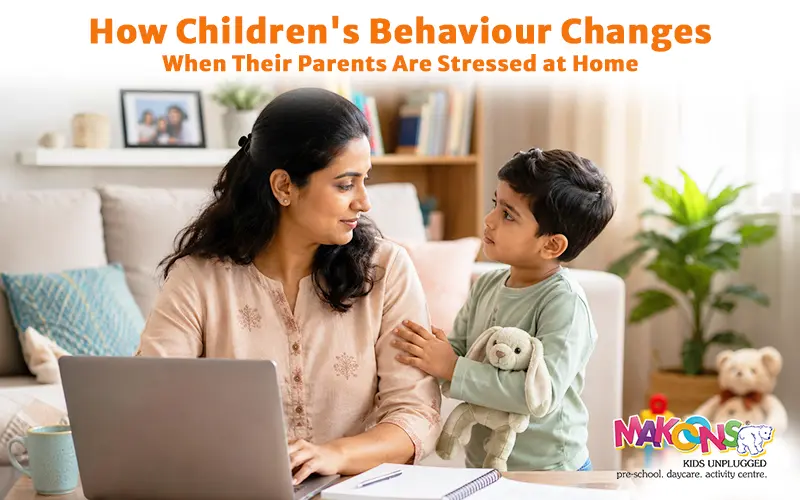
Children are extremely receptive to the emotions within their domestic surroundings. No matter how hard parents might try to conceal their stress, children are usually able to sense changes in tone and behavior. If children are constantly exposed to stress, they are likely to be influenced both behaviorally and emotionally. Through managing stress in a healthy manner, parents can create a stable and comforting atmosphere for children
There are days for all parents that they have to face stress. Sometimes, work deadlines, financial concerns, health issues, housekeeping tasks and a myriad of other daily demands can get overwhelming.
Happily, most parents or moms and dads do all they can to protect their children from these concerns. They think that if they don't share their stress with their kids, their kids will not know.
Children are very observant, however.
Children Feel The Mood At Home
It's important that young children learn from their parents that the world around them is safe.
Allowing parents to be relaxed and emotionally available will give children a sense of security. When stress is obvious, children can start to react to stress in a variety of ways.
In some cases, these reactions are easily discernable. Other times, they're not noticed.
They May Become More Emotional
One of the most prevalent behaviour changes in kids is an increase in emotional responses.
Parents may notice:
Lots of fussiness about minor issues.
Frequent frustration
Irritability
Sudden mood swings
Some Children Become Clingy
Children can get the idea of the stress at home, and try to find relief from their closest supporters.
This may look like:
Difficulty separating at school
Asking for more hugs and reassurance
Following parents from room to room
This is not attention seeking behaviour. This is often a child's attempt to find protection.
Sleep Can Be Affected
While children are unable to talk easily about stress, it can manifest itself at bedtime.
These are a few of the common symptoms:
Rising in the night
Nightmares
Wanting parents nearby
Behaviour At School May Change
Often teachers are the first to suspect that something is amiss with a child.
When a child is under stress in the home he/she may:
Struggle to concentrate
Become unusually quiet
Act out in class
Have difficulty interacting with friends
Children's behaviour is often a way of communicating, particularly when young children are unable to communicate their emotions.
Children Sometimes Blame Themselves
Young children are often surprised at how much they think they are responsible for situations that are beyond their control.
He or she may think to himself or herself, "What happens if he or she is upset or distracted?
"Did I do something wrong?"
"Is Mom angry because of me?"
"Did I make Dad sad?"
Children are worried about the situation even when the thought is untrue.
You must get reassurance and that's why it's important.
How Stress Affects Emotional Development?
Mostly interaction with family influences children's emotional development.
Home that is routine and nurturing: Children learn:
Confidence
Emotional control
Trust
Security
Stress can make children feel more anxious or unsure when it is a constant.
This doesn't imply that the parents are perfect! It just involves making an effort by adults to manage their stress in healthy ways, so that children benefit.
What Parents Can Do?
It's not about stress free living. That's impossible.
Instead, do things to make children feel safe despite difficult times.
These are some simple suggestions:
Keep Daily Routines Consistent
If there is predictability it makes children feel safer.
Try to maintain:
Regular meal times
Bedtime routines
Family activities
School schedules
Spend Small Moments Together
There is no requirement that you need to pay attention during HOURS OF ATTENTION.
Simple moments matter:
Reading a story
Talking before bed
Taking a short walk
Sharing a meal
FAQs
1. Do children see the tension in their parents?
Ans: Yes. Young children are very aware of changes in mood, tone of voice, routine and family dynamics.
2. What are the effects of stress on parents' behaviours on their children?
Ans: They may be more emotional, clingy, anxious, irritable and have trouble sleeping.
3. Does family stress impact school work?
Ans: Yes. When children are upset, it can be hard for them to focus, join in or socialize with others.
4. Should parents tell children when they are stressed?
Ans: Simple and age appropriate explanations are helpful – they can help a child not think of themselves as being to blame.
