
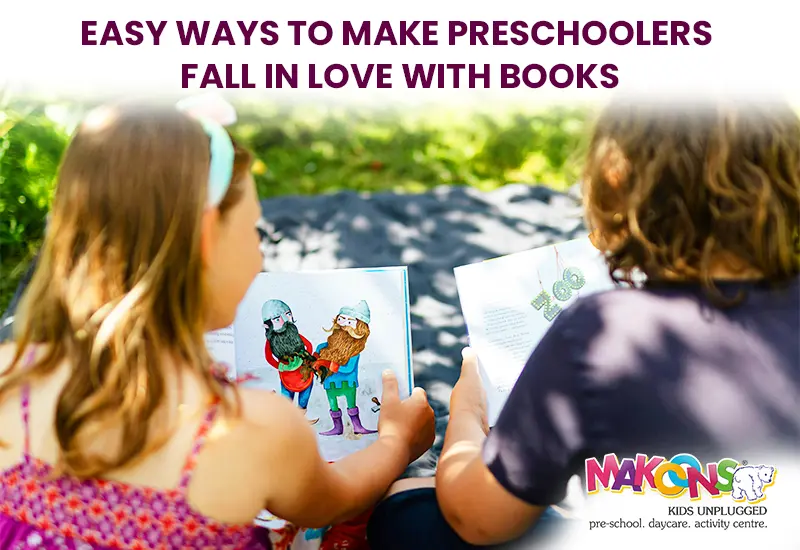
Perhaps one of the best gifts we can give to children during the preschool stage is the opportunity to learn to love books. As preschoolers enjoy their initial exposure to storybooks, and to adults reading and sharing those books aloud, they are creating a significant foundation for future language development and learning. By making reading a fun, enjoyable, easy, and routine event of life, we are helping secure a strong foundation of preschool literacies, stimulate and initiate their curiosity, and develop a life-long love of reading.
Why is early reading habits important?
Encouraging early-reading habits loaded with pure happiness and enjoyment can impact every dimension of development in the child. Children who develop positive early-reading habits in preschool:
• Have larger vocabularies and Higher-level associated language skills.
• Have developed a sense of imagination, empathy, and emotional sense.
• Have confidence and learned school-readiness.
• Experience comfort, fun and adventure in books.
When we make reading special, starting in preschool, we erect gates, that will make school success more likely and the ebb and flow of learning meaningful for life.
Make Books Part of Daily Life
1. Develop a Book-friendly Space
Establish a pleasant atmosphere that creates likelihood of child's desire to read. Develop a little reading nook, either at home or in classroom, of bright sunny cushions, fabric, baskets of books, and good seating. If you want to use mats, bean bags, or even outdoors, let the children choose where they would like to read. When they observe books "in reach", they are more likely to independently browse and discover a new text.
2. Provide Reading Variety
Keep things mixed up and interesting, by having a few board books, picture books, alphabet books, rhyme books, and non-fiction to build on children'sRotate The Books Frequently - Keeping things fresh and different creates interest.
3. Be A Reading Role Model
Kids follow adults. Always be a reading role model and discuss what you read. Whether it is a comic, picture book or recipe, engage with enthusiasm and convey how much you enjoy reading.
Preschool Reading Rituals to Explore
Reading does not have to be quiet or just passive, (sitting up straight and listening). Powerful experiences come from adding movement and interactive experiences to literacy... you will remember:
1. Daily Read-a-loud
Everyday, make it a priority to set aside time for a daily read-a-loud. You can interact as much as you want, by acting it out, funny voices, funny faces, etc. Give children chances to ask questions and predict what will happen next, repeat phrases or rhymes - they will feel part of the story.
2. Storytelling
Retell favourite stories using puppets, props, stuff toys or scarves! Children can join in and wow the adults with new elements, twists and endings. Also, there are 'story baskets' with toys or objects linking to the story and making it tactile!
3. Letter and Sounds Games
You can make it very simple playing 'kick the letter cup', bingo, and letter scavenging in the 'reading' area of the room to foster phonemic awareness and enjoyment for words. Using familiar and well-used letters as part of your routine.
4. Picture activities based on Books
Simple crafts about characters from the story (paper bag puppets for animals, crowns for kings and queens). Some kids might also make their own picture books, by illustrating and dictating.
5. Sequencing activities
You could have kids tell a popular story using cards with pictures of the beginning, middle and end of the story (sequencing). This can help with both comprehension about sequencing and also recall.
Encouraging kids to Explore Independently
Let them 'read' books by themselves, even it is just turning the pages and talking about what pictures they see, let them!!Talk about pretend reading - it is the first step to reading! It may seem silly, but if you have room to set up books in locations accessible to a child - (low bookshelves in the living room, a basket of books, or even in their play tent!) you create energy and excited energy towards books!
Encourage your child to take a favourite book along when you are traveling or in situations they have to wait for something.
Building preschool literacy skills is easy - there is so much you can do to promote preschool literacy skills. Below is a list of key skills to develop and ideas to practice these skills:
Oral Language - Talk, talk, talk! Talk about what you see on your walk, what you see at mealtime, when you are shopping; your child will appreciate it!
Listening Skills - Sing songs, play rhyming games, and encourage a child to follow simple directions.
Letter Recognition - play with letter magnets, or make letters with play dough, or puzzle letter
Print Awareness - point to words and talk about the fact we read left to right, and top to bottom in books, posters, or signs.
Story Comprehension - after the reading of a story, ask your child what happened first, next and last, or how were the characters feeling after we read a story!
Early Childhood Reading Tips for Families and Teachers
- Read daily, even if only for a few minutes.
- Let them choose the next book to read from time to time.
- Read a book they already love. A child will be more interested if they already love the story - and each time they re-read their book, it builds their confidence and they start to understand more and more!
- Use the time reading books to snuggle, laugh, and have one-on-one time just the two of you.
- Limit distractions! Keep devices away or turn off TVs when you read a book together!
- Celebrate each and every opportunity of growth you see in your child, whether they recognize a favourite character, or they "read" their book back you playfully!
Preschool Book Activities: Making Reading Involve kids by using these fun ideas:
Story Discovery Bottles: Take objects from a favorite story, add them to a bottle, shake it up, and then let kids touch and explore the items as you read.
Library or Book Swap: Make a trip to your local library to attend story circles, enter reading contests, and more or exchange books with friends and family!
Sensory Reading/Outdoor Reading: Take books with you to locations like parks, and gardens, and beaches. Read under a tree, or in a tent to give a similar feel to an adventure.
Dramatic Play: create a pretend library or bookstore, and let kids "read" to toys, friends, or other grown-ups.
Steps to Encourage Reading in Preschoolers by Using Positive Reinforcement
- Give lots of praise for showing interest in books, when flipping through the pages and potentially telling their own stories.
- Find a way to display children's homemade books or other visual written work that was inspired by stories.
- Tell stories that relate to their lives, like stories about families, feelings, animals, or any sort of adventure.
- Ask open-ended questions while reading like, "What do you think happens next."
Tools and Technology
Use screens wisely; digital tools should be a supplement and not a replacement to reading together!:
- Choose quality e-books or audio story apps carefully designed for preschoolers.
- When reading digital books/audios together, ask questions and have discussions about the story the same way you would vs using paper-bound books.
- Be cautious about screen time; reading real books, exchanging stories, sharing the page experience is the best way to build your child's meaningful literacy skills.
Disinterest in Reading
- Not every child is going to prefer books right from the start. If you see disinterest:
- Keep presenting them with different types of books that differ in topics, illustrations, and book length.
- Connect stories to real-life interest with comments like, "Let's read about trucks like the truck outside."
- Don't feel like you have to force it: Books should become matter of routine with comfort.
- Check for potential underlying hearing or vision problems if a child's lack of interest has a strong or ongoing presence.
Conclusion
Inspiring a love for books at a preschool level is meant to nurture curiosity, joy, and comfort through shared stories and playful literacy. By blending together a preschool reading offer, innovative preschool book activities, interactive kids storytelling techniques, and practical early childhood reading strategies, we are giving children more than just literacy skills. We are opening up worlds of imagination, empathy and lifelong learning. I truly believe that with time, enjoyment, and creativity, there is a way for every child to develop positive reading habits in children while also realizing the joy of books from day one.
Read Also : Top 10 Books to Improve Attention and Thinking Skills in Kids
