
For a tiny tot, preschool commencement is a significant transformation. Most of the time, it is the child’s first outing beyond the house. They socia...
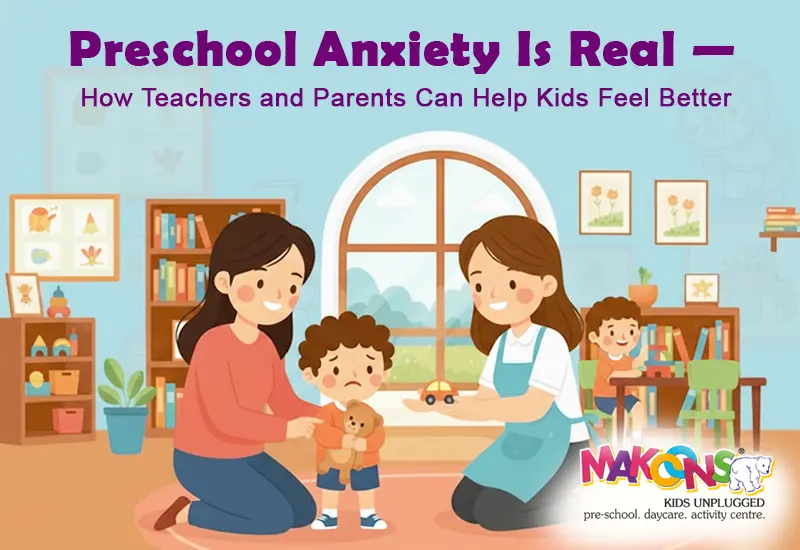
For a tiny tot, preschool commencement is a significant transformation. Most of the time, it is the child’s first outing beyond the house. They socialise with strangers, adhere to new regulations, and are separated from their parents for a time. This may lead to fear and tantrums in a lot of children. The condition is known as preschool anxiety.
Understand Preschool Anxiety
Preschool anxiety is when a child becomes anxious or scared about going to school. Different kids can show this in different ways. The reactions of the kids at drop-off time could be quite different. For example, some might get really sad and even cry, whereas others would not care at all about their parents' farewell. Besides, one more way to express these emotions could be through sulking, keeping quiet, or even disappearing from the class due to a pretend headache.
Reason for Preschool Anxiety
- Children find it hard to stay away from home.
- The classroom, teachers, and other kids are all new.
- Preschool has fixed times for snacks, play, and naps. This feels different from home.
How Parents Can Help
The mental health of the child is greatly influenced by the teachers. It is often that a gentle and understanding teacher makes all the whole lot of difference.
Talk About Preschool Early
Devote some time to each child. Welcome them with a grin. Frequently use their name. If children have faith in their teacher, then they are secure.
Visit the School Together
Knowing what is going to happen next calms children. The children’s daily activities let them know that they are secure. For instance, circle time, playtime, snack time, story time, and then nap time.
Practice Being Apart
Let the kids bring a little toy or a photo from their house. Things that they know well will assist them in being less separated from their mothers.
Drop-Off Happily
Don't look sad because the child will also feel. Smile and look happy. Give a warm hug, say goodbye quickly, and tell them you’ll be back soon.
Goodbye Routine
Make a small goodbye ritual. Maybe a special hug, a high-five, or a short phrase like See you soon! This gives comfort every morning.
Praise Small Steps
If your child enters the class or stops crying even for a few minutes, praise them. Say “You were brave today.” Small words can boost confidence.
How Teachers Can Assist
A teacher surely can make a world of difference with a life-enhancing disposition of kindness, inculcating considerable emotional and intellectual ideology to the mental health of young ones.
Build Trust
Spend time getting to know each child. Greet them with a smile. Use their name often. When children trust their teacher, they feel safe.
Simple Routine
The next thing that will happen is already known to the children, so they will feel relaxed. A daily schedule makes them secure. For instance, circle time, playtime, snack time, story time, and then nap time.
Allow a Comfort Item
Kids should be allowed to bring a small toy or a photo from their home. Their relationship with their parents will be a lot stronger owing to the presence of these recognizable items.
Give Gentle Praise
When they attempt new things, you can praise them with “Good job”. Small rewards or stickers can also help in the process of building courage.
Create a Calm Space
Keep one corner quiet and cozy. Children can go there when they feel overwhelmed. Soft colors and gentle music can help too.
Stay in Touch With Parents
Talk to parents regularly. Share updates, even small ones. This helps everyone understand how the child is doing.
Emotional Development
Preschool is not only about learning the ABCs or numbers. It is also about feelings. This is called emotional development in preschool.
Here, children learn to:
- Understand their own feelings.
- Recognize emotions in others.
- Share and take turns.
- Control anger or frustration.
- Feel empathy and kindness.
Ways to Make Children Feel Safe
Here are some simple things both parents and teachers can do.
Listen and Show Care
Never say “Stop crying.” Instead say, “I know you miss me, but your teacher will take care of you.” Understanding helps the child feel heard.
Talk About Feelings
Ask your child what they liked at school and what they didn’t. Let them share their worries. Listening builds trust.
Be Patient
Don’t rush your child to stop crying or to make friends fast. Every child adjusts at their own pace.
Use Stories
Read books about starting school. Stories help children see that many kids feel the same way.
Encourage Friendships
When children make friends, school becomes more fun. Teachers can pair shy children with friendly ones. Parents can arrange playdates too.
Related Topic: Fun Parent Activities That Help More Kids Join Preschool
Conclusion
Anxiety in preschool is a common occurrence. At the beginning, all kids are a bit frightened and anxious. The main point is to react positively from the adults. Children with love, patience, and cooperation learn to cope with their fears.
The support of the parents can be quiet and the encouragement. The teachers, on the other hand, will help by creating a loving and caring environment. They can all make preschool a happy place. The toddler who used to hold on to you is now going to the classroom with a big smile, full of happiness, and quite ready to learn and have fun.
So, it is always going to be a period of transition for your child when you have preschool anxiety. With the right environment of patience, care, and understanding, they will not only change but also grow and perhaps even become their best self. A day in a cheerful preschool is not a mere combination of lessons and playtime but also a way of learning the virtues of bravery, confidence, and affection.
