
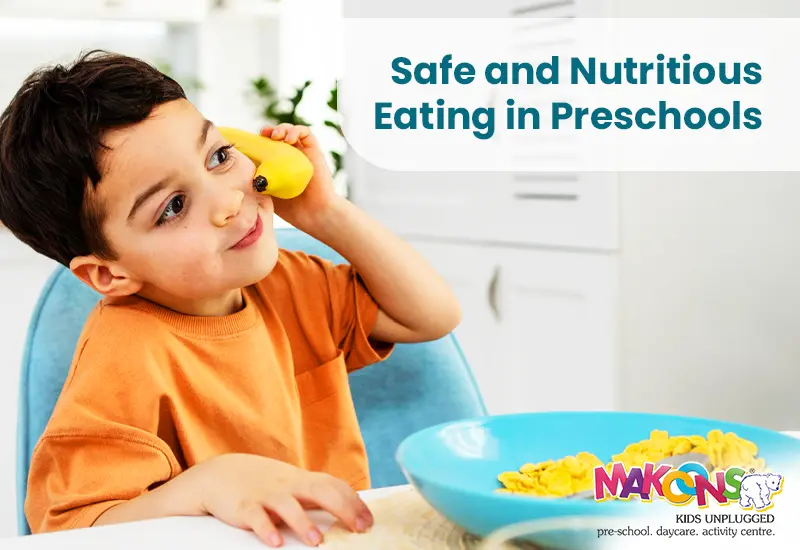
Good nutrition sets the stage for growth, learning, and health throughout a lifetime. Nutrition remains a priority for preschoolers because they are developing physically and cognitively at an incredible rate, and autism more too quickly and who needs flowers nutritional plan for these occasions. There are several key features to consider in preschool nutrition, including strategies for providing healthy food and meals to preschoolers, stressing the importance of the nutritional foods provided in preschool, preschool meal-planning nutrition, summary of best practice, and the nutritional children in preschool settings, leading to a basic nutritious diet for children with quality preschool food safety. We have included actionable content and ideas for healthy eating for preschool children.
Why Early-Life Nutrition Matters?
Nutrition influences almost all facets of children's health & wellbeing and nutrition is the fuel for growth, is important to build immunity, allows children to concentrate and supports learning. Healthy eating habits and food preferences formed between ages 2 - 6 years are most often the easiest to build, so a good start is to expose kids to regular healthy nutritious balanced meals. Poor eating habits can mean more than being a precursor for obesity and all of the health issues associated with it, they can also be associated with poor dental health and directly affect concentration and learning at school.
Preparing Healthy Meals for Preschoolers
When preparing healthy meals for preschoolers, variety is key. What goes into the prepared meals, the 5 main diet groups, will provide them with a balanced diet: produce, grains, dairy, proteins etc. For example:
- A source of protein (eg. beans, lentils, lean meat, eggs, paneer).
- Two or more vegetables and a fruit.
- Whole grains - chapati, brown rice, oats, multigrain bread.
- A dairy product - milk, curd.
- Try to make the meals colorful; The meals should be easy to chew, and the portion sizes should be appropriate for small appetites.
Safe Food Practices in the Preschool Setting: What Caregivers Need to Know
Food safety in a preschool setting is an important component of the care young children receive. Young children are more vulnerable to foodborne illness. It is important to:
- Wash hands and sanitize surfaces before preparing any food.
- Pre-cook food adequate and deliver normally cooked food to children (no raw or under cooked food).
- Put perishables--dairy, cooked grains, meats and eggs--into the fridge.
- Do not give children something that might choke them like whole nuts, whole grapes, or certain candies.
- Know the allergies of children and try to provide acceptable alternatives for children with allergies.
- Staff need to be trained frequently in food safety. Clean utensils and safe practices in the kitchen make it a way to develop trust with families.
Planning Meals in Preschool
Planning for meals in preschool settings starts with variety and balance:
- Look in to when fruits and vegetables are in season, and plan a weekly menu with seasonal, fresh fruits and vegetables.
- Prevent children from becoming bored and disinterested in trying new foods by rotating recipes and foods your program makes and providing them with tastes from different flavours.
- Portion meals for the size of the children; small meals, and lots of them, are ideal; as opposed to a lot of full meal.
- Find snacks that have nutrition; such as; fruit, boiled veggies, whole grain crackers.
- Do not use packaged snacks that have high amounts of salt and sugar and additives.
- Intentional meal planning can promote healthy growth and development and reduce the chance of under-nutrition or overweight.
What do Preschoolers Need? - Child Nutrition Basics
When it comes to preschool nutrition, you will need to consider the nutritional needs of the children based on their age. Based on the best practice in Early Childhood Education and Child Development, toddlers need approximately 1,000 to 1,400 calories per day depending on their size and energy output; eggs. Active children will require more calories than sedentary children. In relation to good nutrition, key nutrients include protein to support muscle development; calcium, vitamin D (to absorb calcium), iron to develop energy; and fibre to support digestion.
- Provide others protein sources like eggs, pulses, or cheese for 2-4 ounces per day.
- Serve them 1 – 1 ½ cups of vegetables and 1 – 1 ½ cups of fruits each day.
- Ensure them 2 – 2 ½ cups of dairy each day for bone health.
- Use whole grains for more enduring energy.
Track what they eat and encourage your child to try new foods and respect appetite and fullness cues.
Creating a Balanced Diet for Children
An authentic balance diet for children of this age at preschool really is not just about the types of food they are eating, but also about how they are served:
- Include fruit or vegetables to at every meal.
- Make sure to use whole grain bread, not fried or sugar-sweetened cereals.
- Limit sugary foods or salty foods to special times only.
- Teach kids how to serve themselves and take their cue for fullness.
- Offer water or unsweetened milk instead of sugary drinks.
- ONLY in balance does the food provide variety in colour, taste, and nutrition in every bite.
Preschool's Procedures for Food Safety
Finally, maintaining preschool's food safety involves many daily behaviours:
- Clean and sanitize any food service and food preparation, every dish, every utensil.
- Always supervise children during meals, regardless of allergies or choking, noticing and participating in new behaviours if they occur.
- Safely store any bowl with food remaining and discard any incorrectly expired.
- Keep record of the children's feedings allergies and emergency contacts.
- Regularly meet with your team and children's parents to review safety protocols, and your own safety practices.
- For emergencies such as - choking or allergies - every team member needs clarity for quick action.
Healthy Eating for Preschoolers: Nutrition Should Be Friendly
To affect improvement in preschool children's healthy eating, there needs to be friendly and engaging methods:
- Allow children to help with easier parts of meal preparation- ie. washing fruit or stirring batter.
- Use games and storytelling to promote fruits, vegetables and healthful choices.
- Arrange food in an enticing manner- cut fruit into fun shapes or build food "rainbows."
- Give each child a week to select their favorite vegetable or fruit
- Celebrate the "new food adventures" by allowing children to taste foods/drink from other cuisines or try an "ethnic" recipe.
- Encouraging children to be involved in food making decisions supports a lifetime of healthy eating.
Weekly Sample Menu for Preschoolers
A balanced sample of weekly menus:
| Day | Breakfast | Snack | Lunch |
| Monday | Vegetable poha + milk | Banana | Rice, dal, carrot sabzi |
| Tuesday | Oats porridge + apple | Boiled corn | Chapati, mixed veggies |
| Wednesday | Idli + sambar + curd | Orange slices | Vegetable khichri |
| Thursday | Dalia + nuts | Apple wedges | Chole, rice, cucumber |
| Friday | Paratha + curd | Sprouted mung | Paneer curry, chapati |
Snacks: boiled potato, fruit, carrot sticks, whole wheat biscuits.
How Parents Can Support Preschool Nutrition?
Parents play a significant role in the success of meal programs. For example:
- Reinforce meal times and healthy food expectations at home.
- Parents should share lists with teachers of allergies or dislikes or also communicate cultural food needs if applicable.
- Parents should pack healthy, balanced tiffins (including fruit, vegetables, and protein foods for field trips).
- Expect children to use table manners (for example, chewing slowly or using spoons or forks).
- Communication between families, and school creates a support network to benefit every child's health and nutrition.
Managing Food Allergies and Special Needs
All preschools must create a plan to identify resources to support children with allergies or dietary restrictions. Alternative foods can be found for dairy, gluten or nuts.
- Make sure food safety training is in place.
- Label food properly as well as be aware of cross-contamination to foster allergy safe practices.
- Teach children not to share their food while consuming it and to coin the phrase "table time" and to wait until they are finished eating before getting up from the table.
By being vigilant with food safe practices schools can help to eliminate unnecessary allergic reactions to food as well as encourage children to participate at the table.
The Importance of Good Nutrition and Safe Food
Good nutrition in preschools not only while keeping children free from sickness it builds energy, focus and curiosity! Children who improve their diet are less likely to be sick, are more engaging, better able to connect socially; social connections made while share food together around a table.
Nutrition is one aspect of lifelong health, while the procedures related to safe food give families confidence. Every meal offers children with growth, development, and purpose. Meal provides an opportunity for children to grow, develop and thrive.
Conclusion
Safe, nutritious eating in preschools is even more important today. With an intentional plan about preschool meal experiences, attention to safe food planning, and a strong dedication to healthy eating for preschool children's health, every preschool can be a community home that fosters growth and health. Through sound nutrition for kids, food safety
Read Also : Singular and Plural Words for Kids
