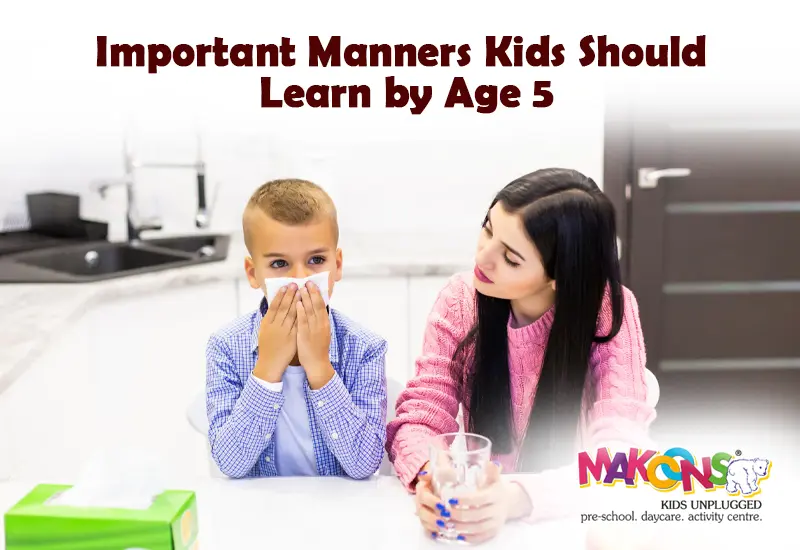
At preschool, children develop and learn a lot. These early years are what form the basis of their future personality whether it is the ability to talk well or understand what is right and what is wrong. It is important to teach good manners at such an early age since children are like little sponges, they observe, imitate and absorb whatever is around them. This is the reason that paying attention to such topics as manners in preschoolers, social skills preschool as well as preschool values and manners can make these children develop strong relationships and confidence as they enter the school life.
Etiquette is never about rules but rather it is all about kindness, respect and empathy. Through instructions and positive reinforcements, children will be capable of learning to act in a thoughtful manner, both at home, in school and in society. Below is the list of the significant etiquette that children should have learned by the age of 5 and some real-life advice that can help parents and teachers instill good manners in children during their early years.
1. Saying "Please" and "Thank You"
Showing gratitude and asking politely should be considered one of the most important manners that children should learn at an early age. When they ask, please, this is respect. They are saying thank you and it is an expression of gratitude. These expressions form the basis of educating respectful kids at a tender age.
How to teach:
- Make them repeat such words in everyday communication.
- When they speak with courtesy, use the appropriate words, congratulate them.
- Mimic the action at all times (children have to learn through observing adults).
2. Greeting People Nicely
Warming up with a "Hello" or smiling at them with a "Good morning" makes the children seem friendly and confident. Shaking hands with others instills social awareness- one of the most important social skills that preschool children should have.
Tips:
- Exercise greetings in playing or the school.
- Allow them to meet teachers, kin and neighbors.
3. Sharing with Others
Toys, books or snacks can be shared to make children learn to cooperate and respect the needs of another person. It forms a significant component of early childhood development of good behavior.
How to encourage sharing:
- Use turn-taking games.
- Reward the behavior of sharing rather than criticize the behavior of not sharing.
4. Making Turns and Being Patient
Children always desire to have everything at once. Discipline is acquired by teaching them to wait patiently which controls their emotions.
Try this at home:
- Counting while waiting.
- Rewards behavior of calmness during waiting periods.
5. Apologizing and Knowing Cries of Apologies
Even in accidental instances, children need to know how to apologize to the person, who they have hurt. Apologizing is a way to learn how to be kind, care about others and be accountable.
Explain:
Why does the person feel hurt?
The way of apologizing helps them feel good.
6. Table Manners
At the age of 5, children are expected to understand the rudimentary eating etiquettes such as:
- Washing hands before meals
- Chewing with mouth closed
- eating with food in his mouth.
- Cleaning up after eating
These are etiquette lessons to kids that instill order and courtesy towards communal areas.
7. Etiquette: Personal Space and Boundaries
Kids should know:
- Not to take away the belongings of other people without their consent.
- Knock before entering a room
- Request permission before embracing a person or touching them.
This encourages character and emotional security.
8. Active Listening to a Speaker
Children should learn to:
- Make eye contact
- Avoid interrupting others
- Be nice to those who address you.
This helps in good communication and necessary etiquette that children require in school.
9. Speaking in Indoor and Outdoor Voices
Assisting children to know when to be loud and when to be quiet is self-control and environmental awareness.
Example:
- Loud voices in playgrounds
- Low tones in the libraries or classrooms.
- Getting Ready Headaches in Chapter Two.
Children are supposed to get taught how to be responsible for their possessions and surroundings whether it is in terms of toys or spills.
Practical suggestion: Clean up fun, be in songs/challenges.
11. Being Kind to Everyone
Kindness matters most. Kids should learn:
- Not to tease or bully
- Help friends when needed
- Be compassionate towards a sad person.
This helps in upholding preschool principles and etiquette which determine character lifelong.
12. Etiquette and Good Manners
They should be familiar with:
"Excuse me"
"May I...?"
"You're welcome"
The courteous phrases promote a more respectful and smooth communication.
Related Topic: A Simple Guide to Teaching Values at Home
Why Good Manners Matter in Early Childhood?
- Establishes good social relationships.
- Promotes self esteem.
- Facilitates the process of school transition.
- Makes children's help to be respected and liked.
- Coaches discipline at an early age - this is one of child discipline tips.
Etiquette is not only good to the child but to the society.
Related Topic: Simple Self-Introduction Lines for Nursery and Preschool Kids
The Ways Parents and Teachers can Help in Manners Development
These are easy methods of teaching kids at home and at school respect:
| Method | How it Helps |
| Be a role model | Kids copy adults’ behavior |
| Use stories and role play | Makes learning relatable and fun |
| Praise good manners | Encourages repetition |
| Maintain consistency | Reinforces behavioral expectations |
| Set simple rules | Kids follow when they understand clearly |
It should be remembered: Love, not fear, is the way children learn.
Final Thoughts
Manners are a long term process that cannot be taught in a hurry. However, once children know how to be properly polite, understanding and respectful, they become caring and self-assured people. All those little actions done nowadays, sharing toys, saying thank you, can contribute to making the future a little better.
Being early, regular, and commemorate the improvement. Due to bad etiquette having no style!
[sp_easyaccordion id="4804"]