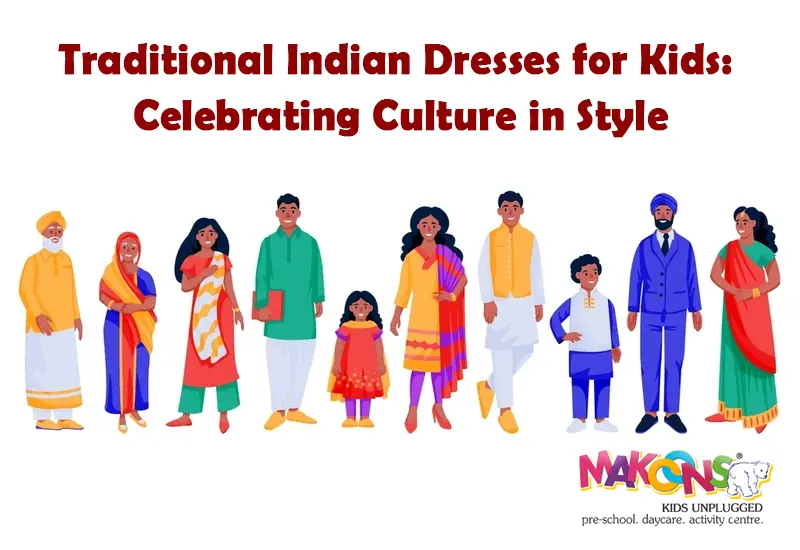
India is a country of a variety of cultures, colorful traditions, and colorful festivals. Clothing is one of the most beautiful methods of celebrating this rich heritage. Indian traditional dresses among children are not merely attires, but culture, history and identity. Ethnic clothing helps the children to associate with their origins even as they stand out gracefully and cute during the school cultural events and even during their birthday celebrations.
In the contemporary age that is dominated by western wear and clothes as the daily mode of wear, wearing Indian ethnic clothes on children serves to save the cultural values and customs. These garments are a source of sophistication, satisfaction and a feeling of pride in culture.
We are going to discuss the importance of traditional clothes in children, trendy clothes, fashion tips, and the way that cultural clothes assist in the general development of personality.
The Reason Why Traditional Indian Dresses are Important to Kids
The traditional attires are not mere fashion, but they are actually a major part of cultural education. As the children adorn children ‘s clothing, they get to learn about their past, traditions and local plurality.
1. Builds Cultural Awareness
Dressing up children in cultural attires enables them to learn about India and its traditions and festivals. They are more interested in cultural legends and traditions related to these dresses.
2. Encourages Cultural Pride
Conventional wear makes the children feel proud of their culture. The emotional links to the tradition are established through the use of ethnic clothing when celebrating.
3. Profits Identity Formation
Dressing is significant when it comes to identity. The traditional Indian boy-girl wear makes children sense like they belong and as part of a culture.
4. Promotes Family Bonding
The family traditions are more likely to be played out at festivals and wearing Indian festival clothes with children becomes a strong bonding factor and helps them to share their culture.
Also Know: Indian States and Their Famous Folk Dances: A Fun Guide for Kids
Fashionable Traditional Indian Dresses among Children
The diversity of India can be seen in the modes of dressing. Traditional Indian dresses in the form of kids vary in type also depending on the region and occasion.
1. Kurta Pajama for Boys
The kurta pajama is one of the most popular Indian traditional wear worn by both boys and girls and is comfortable and stylish. It suits such festivals as Diwali, weddings, and cultural occasions.
Features:
- Lightweight fabric
- Easy movement
- Elegant traditional look
2. Lehenga Choli for Girls
Lehenga choli is one of the most popular cultural items among children. It is festive and colored, and celebratory.
Why it’s popular:
- Light-colored colours and embroidery.
- Cosy child-friendly designs.
- Perfect wedding and festival.
3. Dhoti Kurta
Dhoti kurta is a symbol of the Indian tradition. It is usually worn in religious and cultural functions.
Benefits:
- This reflects traditional heritage.
- Comfortable and airy
- Appropriate on special occasions.
4. Saree and Half Saree for Girls
In the case of older children, half sarees and ready-to-wear sarees are fancy. They expose children to classic fashion in a manner that is easy to handle.
5. Sherwani for Boys
Sherwanis are luxurious and elegant and are usually worn in weddings. They are a luxury brand in Indian ethnic attire among children.
Traditional Dresses in the Region
The regional variety of India provides numerous distinct styles of clothes including:
- Punjabi Patiala suits
- Gujarati chaniya choli
- Bengali dhoti kurta
- South Indian pattu pavadai
These local costumes enable the children to be aware of the cultural diversity of India.
When Does a Child Wear the Traditional Indian Dresses?
Indian festival clothes among children are suitable in numerous instances.
1. Festivals
The customary clothing is usually used in:
- Diwali
- Navratri
- Eid
- Pongal
- Durga Puja
- Raksha Bandhan
2. School Cultural Events
Cultural days are usually held in schools where children are required to dress in traditional costumes in order to celebrate heritage.
3. Weddings and Family Functions
Ethnic clothes are ideal for weddings, engagements and religious occasions.
4. National Celebrations
People usually wear traditional clothes at the times of Independence Day and the Republic Day celebrations.
Advantages of Classical Outfits Among Children
Traditional clothes among children have a number of benefits besides the issue of cultural awareness.
1. Comfort and Breathability
The ethnic clothes are mostly fabricated with natural materials such as cotton and silk, thus comfortable to children.
2. Promotes that of Culture.
Children get interested in traditions, festivals, and historical value.
3. Enhances Confidence
Putting on costume clothes makes kids feel confident and makes them feel special.
4. Promotes Social Connection
Children are tied to family, community and cultural festivals.
How to Select Traditional Indian Dresses among Kids
There are various considerations that parents ought to make when choosing traditional Indian dresses for children.
1. Prioritize Comfort
Wear loose clothes, which are easy to move in.
2. Choose Age-Relevant Designs
Younger children should not have a lot of embroidery or intricate patterns.
3. Select Lightweight Materials
Breathable fabrics are the favourite of the children, particularly during long events.
4. Consider Easy Wear Options
Ethnic clothes are readily available as ready-to-wear outfits and are also convenient to both parents and kids.
5.Select festive and cheerful colors.
Conservative attires are most appealing in bright colors, such as red, yellow, green, and gold.
Modern Trends in Indian Ethnic Wear for Children
The modern Indian ethnic clothing in the children’s world today is a combination of Indian traditional and modern styles.
Popular trends include:
- Indo-western fusion outfits
- Minimal embroidery designs
- Ethnic wear made of comfortable cotton.
- Festive costumes including themes.
These are new fashions that render the traditional clothes more convenient and attractive to the children.
How Traditional Clothing Supports Cultural Education
Traditional dress code is significant to early cultural education.
It helps children:
- Learn about Indian diversity.
- Get to know of festivals and traditions.
- Develop cultural respect
- Link to traditions of the family.
This cultural exposure plays a positive role in the development of personality.
Conclusion
The Indian dresses to be worn by children represent a gorgeous means to share culture, heritage and identity. Not only do they make a child look better, but they also enable one to create cultural awareness, pride, and confidence. India also has a great variety of ethnic clothes in terms of their variety, such as kurt pajamas, lehenga, and other elegant and comfortable child clothing.
By promoting boys and girls to wear Indian traditional wear during festivals and other cultural occasions, it would guarantee that traditions are still alive even in the current times. Traditional clothing assists the children in remaining linked to their culture by staying in touch with their heritage and also in honoring the rich heritage of India in style.
FAQs
Q1. What is the reason to wear traditional Indian dresses for children?
Conservative dress codes make kids learn about culture, form identity and relate to the family heritage.
Q2. Which kinds of Indian dresses are the most popular with children?
Common ones are kurth pajama, lehenga choli, dhoti kurta, sherwani, and the local ethnic clothes.
Q3. Do children find traditional Indian dresses comfortable?
Yes, the majority of ethnic clothes are composed of fabric that is breathable such as cotton and silk making them comfortable.
Q4. How often should children put on Indian ethnic attire?
During festivals, weddings, school cultural events and national events, children are allowed to wear traditional outfits.
Q5. How can parents choose the best traditional attire for children?
Parents should focus on comfort, lightweight fabrics, simple designs, and age-appropriate styles.







 Twitter