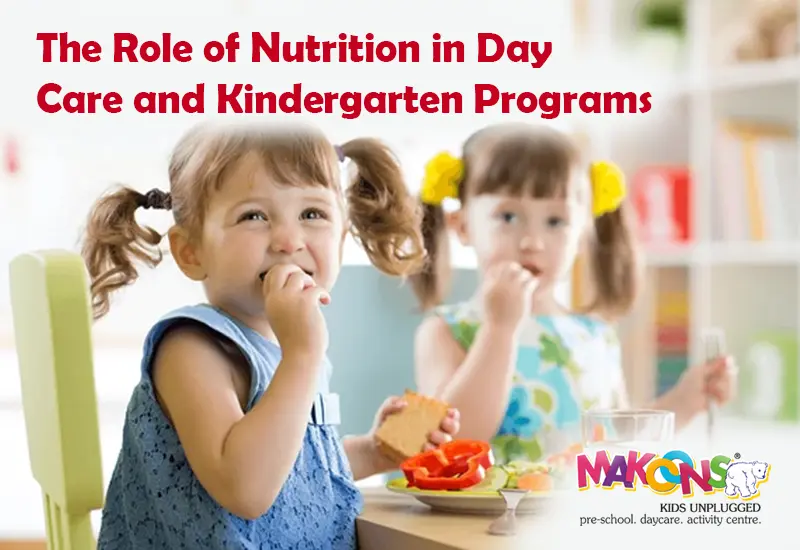
Promoting nutrition and healthy meals in early childhood presents a unique opportunity for children to establish healthy habits and healthy food preferences as an adult.
Healthy meals and meal planning
A nutrition plan for children in early childhood addresses children’s nutrition needs by supplying reasonable energy with carbohydrates, optimal growth with protein, and constructing the nutrition plan with micronutrients from fruits, and vegetables. It accomplishes this by developing healthy menu items for each meal. An example of healthy meals for preschool aged children would include: vegetable paratha, fruit salad, mixed sprouts, or yogurt.
Educators and Caregivers
Educators model behaviors, but also give children the educational nutrition experience that children relate to fun. Sorting foods into food groups or competing to see who has created the tastiest “rainbow plate” creates a hands-on educational experience for children. They have an educational experience thinking about eating healthy compared to an experience they need or have to do.
Read more : Safe and nutritious meals for kids in preschool
Daycare Menu Plans promoting Nutritional Needs
Daycare Menu Structure
Daycare menu plans often are structured to provide breakfast, lunch, and snacks that promote the needs of children at daycare during extended hours of care. Serving portions of meals and snacks are prepared to reflect exacting amounts to meet their age, appetite, and energy needs.
Sample menus could feature:
Breakfast: Poha with fruit slices and milk
Lunch: Rice with dal, sabzi, and salad
Snack: Whole grain sandwiches, or roasted chick peas
The Importance of Nutrition in Daycare
Nutrition is important in daycare, as a heart-centered approach on pretend play games–like pretend to be a chef or pretend to be a farmer–will work to build habitual food patterns well into their schooling years.
Encouraging Positive Eating Habits
Self-Feeding and Independence
Both daycare and kindergarten promote and expect children to feed themselves with minimal assistance. This independence builds not only fine motor skills, but starts to build a connection as early as preschool between working for and successfully enjoying.
Group Dining Experiences
Eating together does help teach table manners, patience and sharing. As dialogue occurs with peers or educators at meal times, children align food with socially enjoyable experiences and not a chore.
Managing Picky Eater
In the mission of teachers managing picky eaters, many of the above elements apply. They will provide a variety of items, introducing many of them slowly, and often model healthy eating themselves. Providing gentle nudging without pressure, kids can develop a healthy relationship with food first with the providers.
The Responsibility of Parents in Nutrition at Home
Cooperation with Educators
Families and caregivers must engage proactively with the educators and share the details of the child’s allergies, dietary restrictions, and any preferences. When the food served at preschool is the same or similar to that of home, this discussion furthers the experience.
Contributing Values and Support at Home
At home, parents should continue to share values and efforts as experienced at school including similar snack experiences where those snacks were healthy whole food, involve kids at the store during grocery shopping, and be mindful of food behaviours with fried foods or sugary behaviours. This continued routine practice of healthy food, helps to extend preschool nutrition virtues and significance outside the daycare.
Fostering a Positive Mealtime Structure
Kids often mimic adult behaviour. Having family or social gatherings around meals and practice thanking with gratitude, and even minimizing distractions and screens or phones will matter with their baby family meal time.
Hygiene Practices and Food Safety
To be clear, safety is paramount in the kitchen.
In both preschool nutrition and kindergarten nutrition programs, hygiene in food experience is non-negotiable. Food is poured in a clean monitored kitchen, whose sole focus in food experience is around food being fresh. Children are taught to wash or sanitize their hands even prior to eating each time, and learn about hygiene even when utensils and kitchen items are literally sanitized, and there is continued discussion around this food prep.
Training Staff on Nutrition Education
Staff are trained and developed through trial and evaluation on how to handle and store the food safely, with menu planning development and evaluation to operate under the high standards of quality food. Staff also went through smaller workshops or seminars to become current under the new recommendations around kindergartens & health and food processes.
The Long-Term Value of Healthy Preschool Nutrition
Otherwise, early on nutrition-balanced nutrition is effective involving a child for their physical, cognitive, and emotional health throughout their life, well into their adult life. Ongoing experiences of better eating habits and clean food consumed for children provides lasting reduced rates of obesity, lymphatic build up of body and immunity, and the ability to concentrate for learning.
Not to be left out, when a child has established strong eating habits and gained mindfulness and attention to low quality junk food habits, when coming to decide on snacks and consumption of food as adulthood emerges they will carry this into mindfulness practice as children. Children that have gained an early notion of nutrition, care and mock sampling will be more aware to stay clean in their eating patterns later as an adult.
Conclusion
In this busy unfocused world, more preschool and kindergartens decorate than just caring for a kid. They structure their daily life routine, learn habits, and set values. Nutrition is at the core of this trajectory and personal growing development. Even at preschool nutrition or kindergarten nutrition programs every meal and food preparation every minute counts to considering the whole child.
In working directly with the educator they set kindergarten health values as a priority and made to share the values within education, towards healthy habits work with their child in this education. As their child’s form of food feeding or nourishment is not just to fill them up, food can also be used for spiritual, social, developmental engagement. Indeed a well nourished child is a happier, more capable, confident learner.
Read more : Day Care vs. Kindergarten: Differences Parent Should Know







 Twitter