Preschool is one of the most important decisions you will make as a parent. Preschool is more than a place for your toddler to learn the ABCs and 123s. It is a launching pad for early social, emotional, and cognitive development. With all the choices out there today, it’s easy to feel like preschool admission is a pressure cooker. If you already have it, it will make you feel better!
We will help you to think through the best preschools for 2025–26. These points will assist parents in understanding the criteria to consider while deciding to shortlist a preschool in 2025, what works out as the deciding factor for your child’s development, and tips for preschool admissions 2025–26 that every parent should take into account.
How to Choose a Preschool in 2025?
Choosing a preschool is more about finding one nearby than potential sites where your child will learn, feel safe, and have fun exploring. By 2025, almost all preschools will have embraced new teaching styles, new digital tools, and a more significant focus on the overall development of your child. With many options available, the range of choices can often leave parents thinking about what should really be important. Should you prioritize academics, time for play, safety, or having first-rate facilities?
The answer is balance. A great preschool should help spark your child’s curiosity, creativity, and social skills with a focus on health and safety. Our preschool selection checklist highlights the best preschool possibilities every parent in 2025–26 should look for to simplify their choice.
1. Safe and Child-Friendly Environment
Make safety the utmost priority when selecting a preschool; each school should have well-lit, well-equipped classroom spaces and child-friendly play areas. They should have visible security provisions such as CCTV, trained staff on emergency procedures, and other security measures. By 2025, almost all schools will have a digital check-in system that allows only those guardians on the child’s approved pick-up list to pick up the children, providing double security.
Tip: During your visit, pay attention to how the teachers and staff engage with the children. Their warm, caring demeanour is just as important as the safety equipment.
2. Qualified and Compassionate Teachers
In any preschool, teachers are the heart of the program. Qualifications are important for teachers, but compassion and patience are just as important. A teacher who can emotionally connect with children can create a climate of learning and motivation. Many preschools in 2025-26 value this idea and are committed to continuous teacher education and change in teaching practice.
Tip: Check on the teacher-student ratios. The ideal ratio is 1 teacher to no more than 10-12 children.
3. Play-Based and Experiential Learning
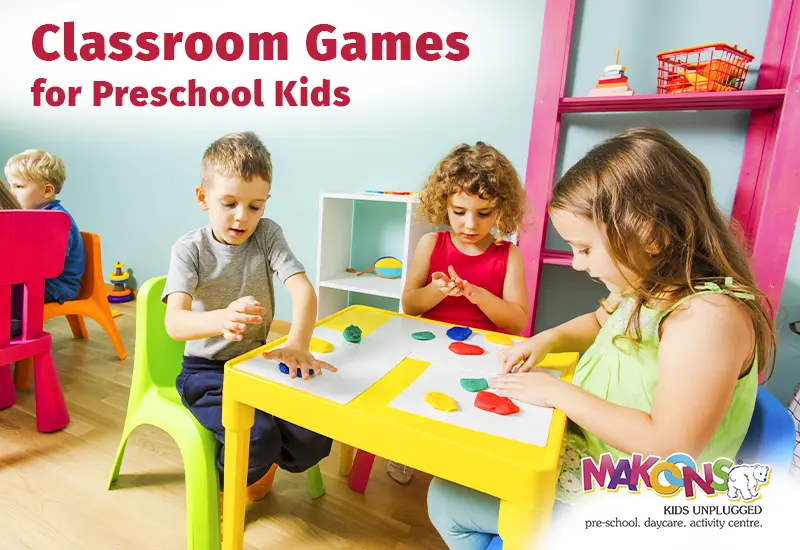
The best preschools today feature hands-on, experiential learning and play-based learning, too. These types of experiences provide children with access to experiences of reality, imagination, and learning to which children are by nature entitled. Remember, the most successful preschools are employing storytelling, art, music and role playing to encourage creation and creativity.
Tip: Enquire if there is a balance of play and academics. Both are equally important for the development of early childhood.
4. Age-Appropriate Curriculum
Even among children, they learn at different rates. Fortunately, a good quality preschool will be organized around a developmentally appropriate curriculum related to fine and gross motor skills, social development, and problem solving. Along with these elements, some schools in 2025 also offer that has experiences, early literacy, and experience along with learning tools for the digital age, for instance, interactive snowboards.
Tip: Ask the school for a sample of their daily schedule. This will give you a better idea of how interesting and structured their program is.
5. Strong Parent-School Communication
By 2025–26, the vast majority of preschools are using apps or digital platforms to keep families in the loop about children’s growth, daily activities, and meal plans. Communication between the school and family is a lifeline for you to remain connected with and involved in your child’s learning.
Tip: Look for a preschool that embraces feedback and invites families to participate in events and activities.
6. Focus on Emotional and Social Development
Preschool is the first place that children learn how to make friends, share and express themselves. Which is why a parent’s guide to preschool should always include 1 very important benchmark: Are social and emotional skills being taught and practised? A preschool promoting teamwork, empathy, and communication resources kids with long-term learning gains.
Tip: Visit during playtime and observe how the children play with one another. This is a green flag: an atmosphere of positivity and inclusivity.
7. Healthy Meals and Hygiene Standards
Nutrition is equally important as education. As of 2025, a number of preschools will provide a balanced meal plan that has been developed by nutritionists, which will be offered daily. Schools also ought to ensure proper hygiene, clean washrooms, sanitized toys, and drinking water is safe.
Tip: As a parent, inquire if the preschool offers a weekly menu that is shared with parents and whether it accommodates your child’s allergies and/or dietary needs
8. Outdoor Play and Physical Activities
Kids necessarily need chances to run, jump and be rambunctious. Outdoor play opportunity improves kids’ physical fitness, supports their self-confidence and reduces children’s reliance on screen time. A solid preschool will have safe outdoor areas with playground equipment and will provide movement activities, yoga, dance, etc. at regular times each week.
Tip: Always ensure that outdoor areas are regularly maintained and are supervised and safe.
9. Technology Usage Without Overuse
Technology is an aspect of children’s lives in 2025. The key is balance. The best preschool has technological features such as smart classrooms, learning apps, interactive experiences, digital storytelling, and limited fit on screen-based learning.
Tip: Ask the school how they are using technology in the learning process and how much time is spent in front of a screen.
10. Transparent Admission Process and Policies
Lastly, the key preschool admission tip 2025–26 is to clearly review the admission process, fee table, and policies. A trustworthy preschool will provide clear information related to admission requirements, yearly fees, holiday schedule, and safety rules.
Tip: Watch out for extra hidden costs! A trustworthy school will provide you with all of the information up front.
Quick Preschool Selection Guide for Parents
Here’s a helpful summary of what to consider when choosing a preschool in 2025–26:
- Prioritize safety and hygiene.
- Take note of qualified, empathetic teachers.
- Assess schools based on play-centered, developmentally appropriate learning.
- Find out about the school’s flexibility and communication with parents.
- Focus on emotional, social and physical growth instead.
- Inquire about meals, hygiene and outdoor play.
- Be mindful of what technology you use and how you use
- Review admission policies and fees structure.
Final Thoughts
Choosing a preschool feels intimidating at first. Yet the search becomes quite focused and easier with a preschool selection checklist. Remember that your child’s first school is not supposed to give basic academic preparation; it is also supposed to develop their attitude into that of a curious, confident, and happy learner.
As you think about what you want in a preschool, consider these best features of good preschools, and ask questions when you visit the schools! When you get clear on that and you get present to the options available to you, you’ll undoubtedly be making a fantastic decision for your child’s future in 2025-26!
Read Also : What Makes a Preschool Great? | How to Choose the Best One






 Twitter