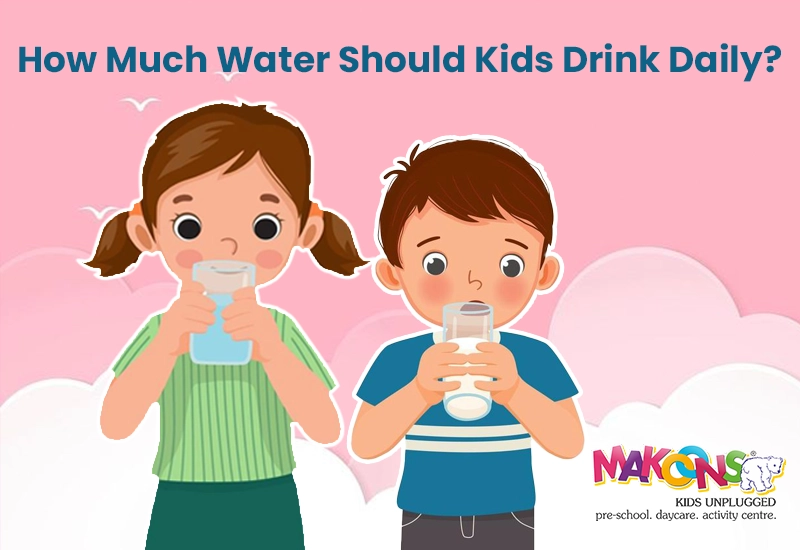
Water is the most important part of our life and for young kids they are even more important. Their continuously developing bodies rely on water for everything . When we say everything it means everything including digestion, energy levels, and also regulation of temperature .However, most guardians are curious and full of excitement about how much water their kids should have each day.
A kid’s daily water intake is mainly influenced by their age, the climate, and even the foods they consume throughout the day ensures that your kid stays hydrated throughout the whole year. In this blog we’ll break down water needs by age, and offer helpful child health advice.
Why Water Plays an Important Role in Children’s Health?
It’s important to comprehend the importance of water for kids before delving into the numbers of how much water they need according to their age .
- Brain Power – kids who consume enough water are better to learn and concentrate.
- Energy Levels – Even a little dehydration can cause tiredness and irritability in your kid which causes several problems later.
- Healthy Digestion – Water make movement easy for nutrients and keeps away constipation
- Temperature Control –kids can easily overheat due to active play but water helps kids stay cool.
- Muscle Health – Keeps tissues lubricated for active play in young kids.
Youngsters are more susceptible than adults to dehydration because their body loses fluid more quickly from adults especially when they play sports or are outside. That is why monitoring water intake is essential for kids more than adults.
Factors that are Impacting Children’s Water Requirements:
- Age – Naturally, older kids need more water than young kids.
- Activity Level – activities like running, swimming increase water loss.
- Weather – Hot or humid climates increase water needs.
- Health – vomiting or diarrhea mean increases in hydration needs.
- Regular Water Intake for Kids – Age-Wise Guide
All fluids from milk, water, and other drinks, as well as moisture from food, are included in the figures below. However, the majority of the daily intake should consist of plain water
1–3 Years Old
Recommended Intake: About 4 cups which is almost equal to 1 litre.
Give frequent little sips. Young kids frequently wait until they are extremely thirsty.
Avoid sugary drinks, soft drinks ; milk and water are best for kids.
4–8 Years Old
Recommended Intake: About 5 cups which is equal to 1.2 ltr water daily .
Encourage water intake during and after playtime. This is very important because when they play, the fluid inside their body loses rapidly.
Provide a fun and also spill-proof bottle for school .
9–13 Years Old
Boys: 7 cups which is almost equal to 1.6 litres of water daily.
Girls: 6 cups which is equal to 1.4 litres of water daily.
Hydration becomes even more important as the continuous increment of school activities and sports.
14–18 Years Old
Boys: 11 cups which is equal to 2.6 litre of water daily.
Girls: 8 cups which is almost equal to 2 liters of water daily.
Teens who are an active participant in sports may require 1–3 extra cups of water daily.
Water Consumption Chart for Kids
| Age Group | Daily Water Intake (Cups) |
| 1–3 years | 4 cups – 1.0 L |
| 4–8 years | 5 cups – 1.2 L |
| 9–13 years (girls) | 6 cups – 1.4 L |
| 9–13 years (boys) 7 | cups -1.6 L |
| 14–18 years (girls) 8 | 8 cups -1.9 L |
| 14–18 years (boys) | 11 cups – 2.6L |
| (1 cup = approx. 240 ml) |
Useful Advice for Keeping Children Hydrated It doesn’t have to be difficult to keep kids hydrated. You can try the following child health advice:
- Start your Day with Water – embed this in your schedule to drink a glass first thing in the morning.
- Make It Fun for kids – Drinking can be made fun with healthy fruit-infused water and straws.
- Gentle Reminders – Use alarms
- Offer foods rich in hydration –Oranges, strawberries, cucumbers are great options.
- Lead by a perfect Example – Children are more likely to drink water if they see you doing the same in front of them regularly.
- Encourage Post – Play Hydration in children–After actively engaging in outdoor activities, always make sure that your children consume water.
Signs of Dehydration in Children’s
Watch for these early signs:
- Dry lips or mouth
- Dark yellow urine or dark brown urine
- Fatigue and moods-wing
- Headaches
- Sunken eyes or dry skin and dry lips
Hydration Myths Parents Should Know about water intake
Myth 1:The best and perfect measure of hydration is just thirst.
Truth: A child may be a little bit or mildly dehydrated by the time they experience thirst actually.
Myth 2: Only plain water counts in water intake.
Truth: there are other foods also that can contribute to water intake such as soups and fruits .
Myth 3: Cold water can make kids sick.
Truth: when it comes to the temperature of water ,Comfort is slightly more important than health effects
Additional Hydration Requirements to take care of if your child is very active in sports:
- Add 1–3 extra cups of water to the regular water intake.
- Offer your kids some small sips before, during, and also after activity.
- For intense exercise over 1 hour, consider electrolyte drinks (but limit sugar).
Quick Checklist for Parents
- Does my child have easy access to water all day?
- Do I remind them to drink regularly?
- Am I offering water-rich snacks?
- Do I model healthy hydration habits?
- If you can answer “yes” to these, you’re on the right track.
Final Thoughts
Keeping your child hydrated is one of the easiest and most effective ways to boost their overall health. By following the age-appropriate water needs and consumption chart, you can make sure that your kids stay healthy, awake, and full of energy all day.
Remember that the good drinking habits you learned as a child will likely last your whole life. Make it fun, keep water close by, and watch your youngster grow.
Read Also : 10 Best Healthy Foods to Include in Your Kids Meal







 Twitter