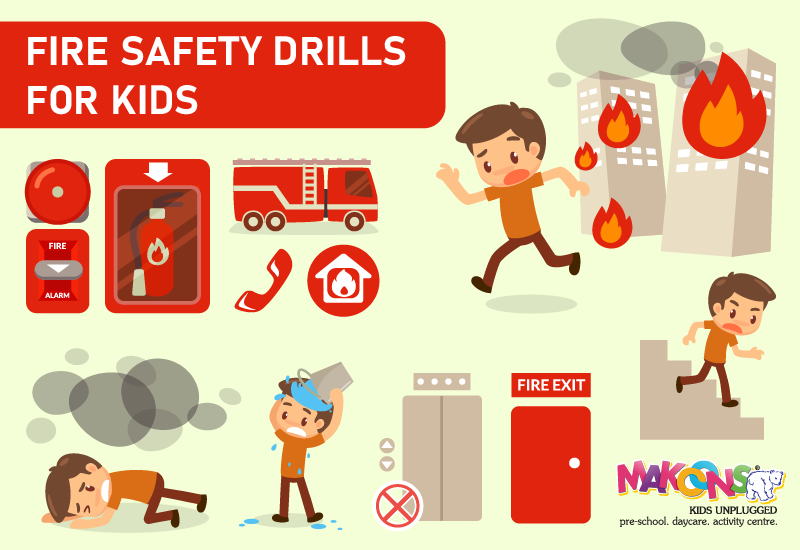
Safety is the cornerstone of any preschool environment. Of all the safety protocols and programs preschool staff must adhere to, fire drills are a key component of preparing young children and staff for action while the fires are quickly spreading, and the children are calmly evacuating. Explaining kids, fire safety, inside of schools, and practicing preschool kids safety drills can literally save lives, while also preparing for and enhancing a culture of caring and preparedness.
What are Fire Safety Drills in Preschool?
A fire safety drill for preschools is a coordinated practice evacuation to help simulate a real-life fire emergency. Fire drills help everyone who is present:
- Recognize the sound of the fire alarm.
- Understand how to leave the building (in silence).
- Understand your Safe area to be escorted to or brought to safety.
- Understand how to stay calm, in an orderly fashion (not panicking) in a waiting area while awaiting rescuers.
- Knowing how to do these things will support a comfortable experience and build their trust and safety if they ever had to experience a real fire emergency,
Preschool Emergency Preparedness
Children respond the best when they are introduced to routine, especially in a stressful situation. As discussed, as part of overall preschool emergency preparedness, introducing fire drills once a month or on a regular basis is a great safety practice. Fire drills re-enforce to students that if the fire alarm goes off, step away from the flames, stay calm, listen to directions and know everyone is moving as fast and safe as they can be. In addition to fire drills, preschools also prepare for lockdowns, natural disasters, medical emergencies, and the emergency protocol for preschools is holistic safety measures for preschoolers.
Read more : Essential preschool emergency kit 2025 – A safety guide
Teaching Fire Safety to Preschoolers
- Fire safety for preschoolers will take a softer, reassuring manner in teaching a lesson of safety.
- Tell them that fire alarms make a special sound when someone needs to exit the building in a calm and quick manner.
- Read storybooks or watch videos about fire rescue heroes and fire safety recommendations with preschool friendly language.
- Practice stop-drop-roll during playtime.
- Teach what it means to stay low and fall victim to smoking.
- These methods allow you to teach a lesson of safety to young children while minimizing fear.
Read more : Teachers’ Role in Keeping Kids Safe Every Day
How Fire Drills for Preschoolers Occur?
A fire safety drill will occur made up of:
Alarm: The fire alarm rings to cue everyone for evacuation.
Calm: The teachers will lead the children out in a calm and quiet manner to their assigned exit routes.
Line: Children will line up in small groups or pairs, holding hands or ropes.
Check: Staff will check to confirm no children or adults were left behind. They would turn off the lights or close doors to contain the smoke.
Gather: Everyone will arrive at a safe area outside of the building.
Attendance is taken: Staff will take attendance to ensure everyone is present.
Feedback is discussed: Staff will provide feedback on how the drill went and discuss what to do differently next time.
Drills occur on a regular basis to build muscle memory and to support the children in feeling confident
The Importance of Fire Safety Drills with Preschoolers
Allowing for a rapid, organized response to emergencies. Minimizing the possibility of injury or loss of life to adults and children. Building confidence within the child and staff that they are capable of acting in an emergency. Demonstrated commitment to a preschool health and safety plan. Provides parents with security knowing staff are trained for emergency situations.
Preschool Safety Initiatives
In addition to offering regular fire drills, schools will implement and maintain:
- Fire extinguishers and blankets within reach.
- Marked exit pathways that are uncluttered by items.
- Regular checks of fire safety equipment.
- Staff training emergency responses with children in mind.
- Child friendly emergency plans that are extensively acted out and on display to children while retelling the plans in an age appropriate context.
Preschool Staff Training for Fire Safety
Trained staff in preschool fire safety can:
- Get a child out of the area.
- Keep everyone calm and reassure the children.
- Provide first aid, if needed.
- Notify emergency responders.
- Take attendance and check to see that everyone is safe.
- Go over drill feedback or feedback from supervision of the child.
Regularly, ongoing preschool staff training preps a staff member regularly and continues to build a safety culture within the school system.
How Parents can assist in Fire Safety Awareness at Home?
- Engage children through literature conversation about fire safety at homes and communicate through stories.
- Engage the home in practicing it with them and their parents during practice.
- Practice escape.com plan within their family contexts.
- Promote calm listening and following directions.
- Support children to discuss their lessons, and to take the lessons home the conversations they have with their parents.
Conclusion
Fire safety practice drills and routines at preschool are valuable because they prepare everyone involved for an emergency situation that is possibly unsafe, but not likely to happen. Drills and practice help develop lessons about safety: when children learn self-control, an appropriate response and better planning for something that may happen, they ensure some risk of hazards is unlikely. Just as practice drills may be useful for prompt and planned lessons about safety: daily plans for school safety, policy and education for staff to develop understanding about facilities safety – and fire drill practice builds a better experience and safer classroom or preschool environments for children, to ultimately feel safe, and be a better learner. Incorporating fire safety, regularly, in meaningful ways in school approaches and continual school safety, staff and facilities processes and drills, add to positive learning outcomes.
When schools integrate, contribute actively, fire safety into good practice, daily programming and practice with child friendly, child led experiences about fire safety: all implications and participants have to be counted and valued, knowing what is most valuable – children!
Read more : A Safety Checklist for Parents Choosing a Preschool







 Twitter