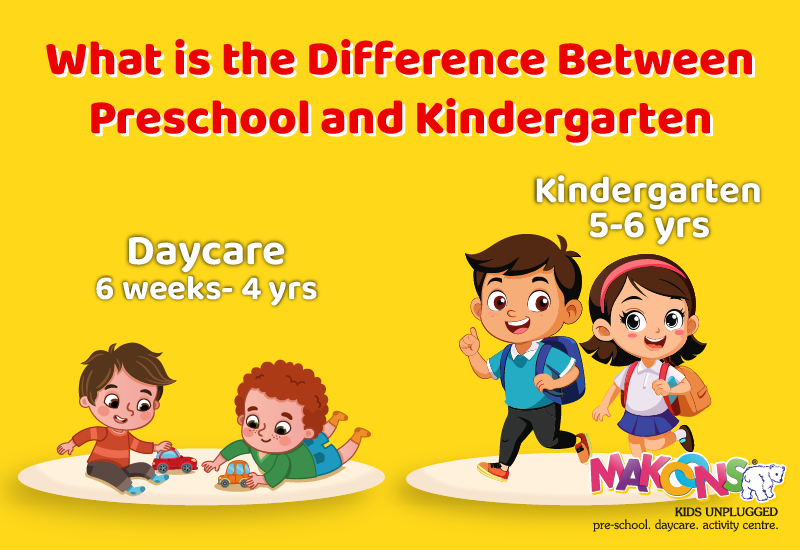
In the most fundamental sense, daycare means structured supervision and care of children (usually infants – 5 years old). It is an opportunity for parents to have their child or children in a safe and nurturing place while they are working or doing the things that need to done.
Safety and routines are of primary importance in the daycare setting and play is incorporated. For parents, daycare means the child will be in both a safe and nurturing environment during the time that parents are at work. Naturally embodied in daycare are safety for the child, emotional comfort, their basic social routines such as meals and naps, and socializing with other children. Generally, daycare settings are available for long hours either in the morning or evening.
Why do Parents Utilize Daycare?
There are a few reason for parents to consider daycare options:
Work Commitments –
Parents with full-time jobs need consistent, supervised care.
Early Socialization –
Children are interacting with their peers and learning how to share, communicate and play along with their peers.
Routine Building –
Children learn routines related to mealtime, hygiene, naps and group work.
Although daycare does not provide what the formal classroom / “school” experience looks like, many daycares are fabulous blending preschool type activities to support early development in different domains.
Read more : What is Day Care: A Complete Guide for Parents in 2025
What does Kindergarten mean and its Purpose?
Kindergarten is the first step of early care and education typically of children 4 – 6 years-old. The goal of kindergarten is simply prep for elementary school with focus on early literacy, numeracy, social skills and independence in a structured learning environment. Preschool is more than a place that cares for your child while you are at work. Preschool is a place for your child to learn for play, group projects, story time, and even some academics.
Similar to school, kindergarten is generally for the duration of the school day and is generally shorter than a full-day daycare.
All kindergarten teachers are trained to understand early childhood education and development. Kindergarten teachers will, of course, be intentional, structured, educational, and age appropriate and meaningful to a child’s development.
Why Parents Choose Kindergarten?
Parents view kindergarten as:
1. Ready for school -concentrating in areas of foundational learning skills, letters, sounds, numbers, and problems using a central theme.
2. Confidence – guiding children and preparing them for the skills to familiarize themselves with, such as: sitting in a chair, following direction and working with other children in a group.
3. Structurally promoted growth – giving children opportunities to practice cognitive, emotional, and physical milestones through the combination of play and academics – student exploration, creative thinking and learning, outdoor play, experimentation, etc.
Childcare vs School: Differences
To help all parents best understand the differences, we provided a quick side-by-side comparison between childcare vs school.
| Feature | Childcare | School |
| Purpose | Provides a program for child supervision, care, and safety when families are working. | Provides an educational program to prepare children for elementary school through science and literacy, musically, numerically, etc. |
| Age Group | Typically for infants to age 5. | Typically for ages 4-6 years. |
| Hours | Usually long hours and a flexible schedule (e.g., full day, extended hours.) | Fixed school hours (usually half day) |
| Focus | Safety, play, routine and building socialization skills in a child-like setting. | Literacy skills and counting, social and emotional skills. |
| Staffing | Caregivers are trained in safety, child supervision and care. | Teachers are trained in pedagogy and pre-education. |
| Parental Expectation | Parents can trust a care provider to supervise their child. | Parents expect structure, academic learning and child development. |
| Outcomes | Experiences of comfort, basic structure, and first experiences with peers. | Experiences with readiness for school, developing confidence, and learning to respond to teachers in the classroom. |
In comparing preschool and kindergarten, parents tend to be confused about where preschool fits in the conversation surrounding daycare, preschool and kindergarten.
Preschool typically serves children ages 2-4 years in which children are enrolled in a program that offers play-based background that includes fine motor development and literacy knowledge.
Preschool can serve as a bridge between daycare and kindergarten.
It is important to note that preschools also offer daycare components in conjunction with preschool and typically allow for flexible childcare time. This is true for preschools in India as well.
Day Care vs School: Which is best? When to choose daycare?
Daycare is best if:
- Parents are busy with a work schedule and consistently need supervised relationships with the child.
- When children are very young (under 3 years) and not quite ready in terms of learning.
- Family choice favors play with a planned regulated learning structure and does not focus on learning/academic curriculum.
Read more : Major Factors to Consider Before Enrolling Your Child in a Daycare Center
When to Choose Kindergarten?
The kindergarten experience is ideal when children are :
- Ready to encounter a space for school with a more formal structured classroom space for learning.
- Young children who show an interest in reading, numbers, and stories.
- Certainly children who can follow a direction, express themself, and work along side others.
- In the end parents are faced with a choice of wanting primary safe supervision and wanting an environment in which their child is able to foster educational growth.
Kindergarten vs Daycare: The Benefits of Kindergarten
Daycare builds confidence and becomes a social comfortable space, however the benefits of kindergarten are unique:
1. Cognitive Development –
Kindergarten integrates problem-solving, patterning, and story-telling.
2. Academic Development –
Children learn letter names and sounds, early counting, and first writing.
3. Independence –
Kindergarten children are developing responsibility from safeguarding their own belongings to executing simple chores.
4. Learning Experience with a Teacher –
Children are exposed to a guide in learning, to realize discipline, scheduling, and the classroom environment.
Many parents feel kindergarten is a naturally next step from a daycare or pre-school experience.
Kindergarten or daycare: What Parents Consider to Stay Within a Safe Environment.
Parents that are thinking about daycare or kindergarten should consider:
Child’s Age- If they are a child that is under the age of 3 daycare is more likely very appropriate. If the child is older than 4 the experience of kindergarten may now be appropriate for your child.
Parental Needs- if the parents have long work hours regardless of children age daycare may be the need.Child’s Readiness – Can your child remain engaged during a short lesson, follow simple directives, and participate in small group settings? If so, kindergarten might be a good fit.
Location and Convenience – Location matters in overwhelmed cities, but there are plenty of schools that bring in both.
Budget – While kindergarten may be an elevated cost of a structured educational system, daycare could fluctuate in cost based on time of day or services rendered.
Early Childhood Education: why balance is important.
Occasionally, parents create the idea that daycare holds less to no importance than school, but that’s not always the case; daycare and school both hold equal distinctions for early childhood education
- Daycare sets a foundation for security, trust, and social habits.
- Preschool gives children’s opportunities to develop curiosity, creativity, and an introduction to basic learning.
- Kindergarten continues to develop on both daycare and preschool foundation to begin building a foundation for school readiness.
- A healthy balance – to start preschool and then kindergarten will reach more child development milestones.
Problems Parents Experience in The Decision Making Process
Experience when Making the Decision:
1. Uncertainty between preschool vs kindergarten –
Macro confusion between what the curriculums look like.
2. Expenses –
Choosing a full day daycare and then selecting the school expense is not a fun consideration.
3. Culture –
In some communities, the expectations on academic progress have too much potent if it is too early, and offers parents the assurance they will be behind if they attend daycare.
4.Availability –
Not all communities are lucky enough to have high quality daycare and kindergarten options in their own community.
Preparing your Child for either decision
Regardless of what choice daycare or kindergarten was made, the following considerations should be assessed from child readiness emotionally, and some practical preparation can be carried out to help ease any transition.
At Home Preparation
Regular Practice – Practice at home during awake time, meals, and playtime (if still young).
Independence – Teach child to do simple tasks to help provide a sense of independence (toileting, eating meals, packing up).
Social Play – If able, have a playdate to create opportunities for sharing and collaborating.
Emotional Preparation
- Read books about daycare or school.
- Talk positively about the teachers the child will have contact with and about the possible new friends.
- Allow the child to have short intervals of us being apart so the child is somewhat accustomed to time away from a parent.
Looking to the Future: Early Education
In cities such as Mumbai, Bangalore and Delhi, schools are frequently combining daycare and preschool so that children move into the next stage of schooling with less disruption. For preschool admission 2025, several thoughtful proposals outline that children, with be in a longitudinal three tiered transition from daycare, preschool, and into a kindergarten, all within the same home. This transition allows for some continuity in their day and eases some parental stress.
Kindergarten has, through NEP 2020 reforms increased the conceptual recognition of kindergarten attention by by being recognized as the formal start of school. However, daycares are just as important to families seek work life balance and both are often complements to each other in coordinating structure for a child’s earliest years.
Conclusion
For parents in a daycare or kindergarten situation with your child, picking which is better or which suits their family or child is based on your family context and child’s readiness to the school context. For parents daycare is ensuring a safe and monitoring environment that is taking care of your child while you have work to attend; kindergarten is where child has have the structure and academic/nurturing approach to getting prepared and transitioned into formal schooling.
In considering preschool and daycare, also consider age of the child, temperament, and structure of your life. Again, if their age is still that of a very young child, and requiring emotional comforting and supervision, the daycare may be appropriate (as opposed to first school preschool). Conversely, if they are ready to be exploring reading or counting, and learning alone- they may be ready for that step to kindergarten.
At the end of the day regardless of daycare or kindergarten jointly or separately, it is the same goal in mind – to provide a safe, accepting, and stimulating environment for their growth. As parents we will have read differences and made plans to prepare children so we feel more confident in the early childhood education decisions reported.
Read Also : Daycare vs Staying at Home: What’s Best for Your Infant?







 Twitter