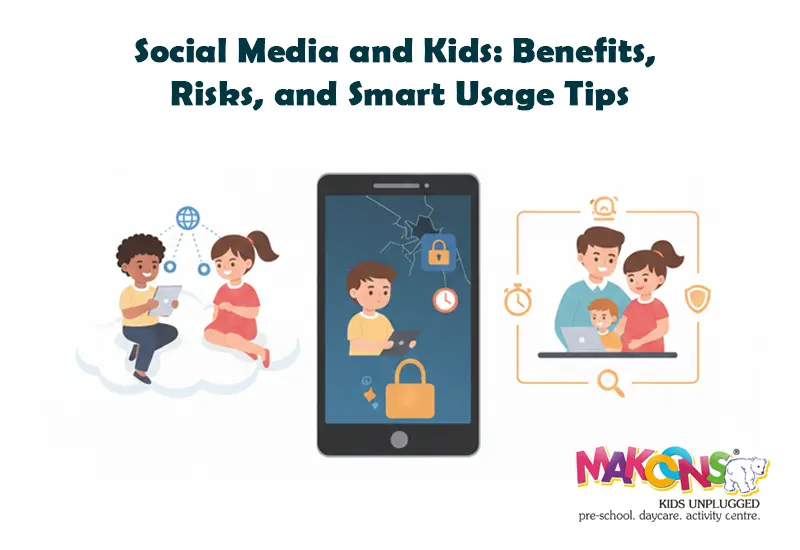
Social media use is the norm for the children. To the children of this generation, viewing small videos, posting images, or sending emails to friends through the internet or other social media sites comes as naturally to them as the environment filled with phone and computer devices that surround them.
This sometimes makes them feel uncertain. Is social media good for children or bad for them? Actually, social media is both good and bad for children. To begin with, social media is neither good nor bad in its own right. Rather, social media is good or bad depending on how children use it or how much support children get from grown-ups.
Why Kids Enjoy Social Media?
The advantage of social media is the communication benefit to kids. They will be able to communicate with school friends, cousins, and family members if they are away from each other. To some kids, especially the shy kinds, talking to someone via social media is easier and less stressful than talking to someone personally and talking to them in person.
Social media can be adapted to learning as well. Many social media platforms have simple learning videos, craft videos, storytelling content, creative challenge videos, etc. Children may be exposed to new areas of creative interest through social media. With proper guidance in the digital media aspect, social media may actually be positive here.
Concerns Parents Should Pay Attention To
Still, despite the benefits, there are also some drawbacks that should not be missed, and one of the major drawbacks of the use of a cell phone is the proportionate use of screen time by a child, as it decreases or impacts physical activity, sleep patterns, as well as the amount of time a child devotes to their families, besides the child not being able to focus or devote enough time to their homework or other routines.
There’s also emotional health. Comparison is one of the most general effects of social media on children. Kids might start comparing their look, belongings, and popularity with what they observe online. A lot of this information may also be edited or might not sound right, so this might influence their confidence levels as well as boost their esteem.
Also important at this stage is the consideration of the issue of safety. There has to be the assurance of the digital safety of the kids because, failing that, kids might encounter inappropriate content, strangers, or even cyberbullying. Most kids lack the understanding that people they encounter on the web might not necessarily be honest. This makes online safety for children something parents must take seriously.
Also Read: Cyber Safety for Preschoolers: What Parents Should Know
Finding a Healthy Balance with Screen Time
While excessive screen use isn’t healthy for the child, it’s not bad for them to use screens in moderation. For instance, watching a learning video on the internet or talking to a friend isn’t the same as mindless surfing for hours without a break.
Parents can also ensure this happens by implementing simple rules and regulations for daily activities. Screen-free time is beneficial and can encompass meals and sleep. Playtime outside and reading are the activities children should never go without.
While focusing on the amount of time children spend on screen time activities, it is also important to monitor how they are being affected in other ways, for example, in their behavior as they concern sleep.
Simple Tips for Smarter Social Media Use
While a total ban could result in frustration or secrecy, talking to children about the issue is the best way.
Explain to the children what social media means and the reasoning for the rules being necessary. This will encourage them to respect these rules.
Care should be taken in choosing apps; however, some apps may not be appropriate for use by children. It is recommended that parents explore apps in collaboration with their children in order to understand their privacy settings.
Teach them online safety. Children should be educated to avoid sharing or giving away personal information, passwords, among other things. Teaching digital safety for kids enhances confidence among the children.
Stay involved without constantly checking. Having devices available in public areas and openly talking about online activities contribute to safety without eroding trust.
Set a good example at home. Kids learn from adults, so if adults practice good screen viewing habits, this will transfer well to children.
Encourage children to speak out.
Also Read: Teaching Digital Literacy to Young Kids – A Beginner’s Guide
The Role of Parents in the Digital Age
Parental involvement or guidance in using digital media has a large influence on how children use social media. It is not compulsory for a parent to be computer-literate or well-informed about computer use. The involvement has a great impact. By listening and asking questions, a child will be guided well.
By being led rather than controlled, children also tend to be more responsible. In the long run, children also tend to be more discerning in the information presented to them on the internet.
Conclusion
Social media has become an integral part of the life experiences of children in contemporary times. It is not important to avoid media altogether in the life of a child but to impart them proper knowledge on how to use them appropriately.
So, in a way, if children are provided balanced screen time, strong safety measures, and communication, social media would definitely play a role as a positive influence. When children understand that someone gets them, this digital world becomes a lot better.







 Twitter