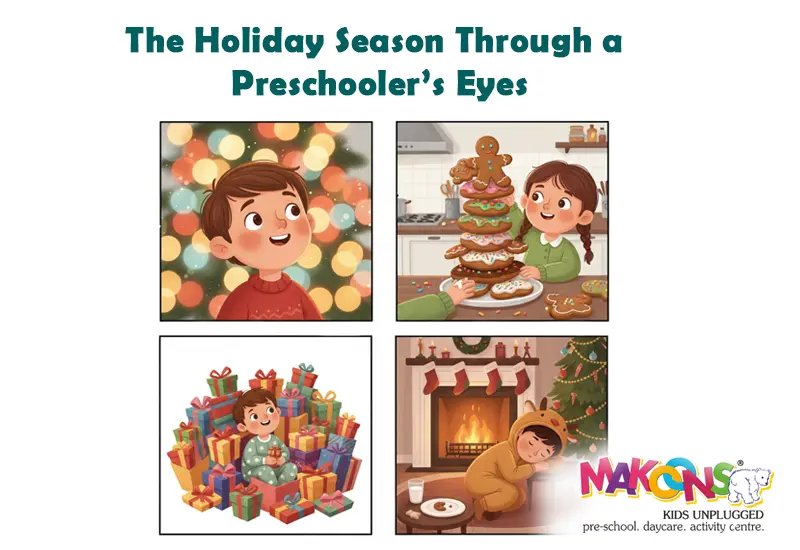
The holidays are an exciting period for family bonding. The entire atmosphere is filled with light, decorations, music, and parties. Moreover, adults frequently have the same outlook as children; they consider it a very delightful and thrilling period. But what are the thoughts of the toddlers?
To the toddlers, the Christmas time is a period of great and wonderful things. They are fully aware of all the small things happening around them even if these are unnoticed by adults. One of the bright ornaments, a different smell, or a catchy tune can be a source of great delight for them. Besides, when adults comprehend children’s feelings during this festive period, they can better manage and support the little ones.
New Experiences
Merry times are going to be the best part of holiday seasons for toddlers. In addition to that, they might attend parties, visit or meet relatives and even have the chance of tasting new dishes. All the new experiences have a positive effect on their curiosity and happiness.
The early childhood education considers these events as the best way for children to learn. They are the ones who socialize their way through holidays. Kids may even be given a chance to be the ones buying or surrounding the gifts, which will make them feel respected and proud.
Understanding Child Emotions During Holidays
Preschoolers cannot always say how they feel. They may show emotions with actions or expressions.
Helping children calm down is also important. Deep breaths, quiet time, or hugging a favorite toy can help. Praising children when they wait patiently or share also supports preschool emotional awareness.
Routine Matters
Preschoolers feel safe with routines. Holidays often change schedules. Bedtime, meals, and playtime may be different. These changes can stress children.
Following certain daily activities gives kids a sense of stability. Miniature trips, sleeping periods, and silent intervals provide the little ones to have their holiday festivities without stress.
Simple Joys
For preschoolers, happiness comes from simple things. A small gift, a song, or baking cookies can be very exciting. Adults sometimes focus on big plans and forget this.
Children may enjoy looking at decorations more than opening presents. They may like helping pour sprinkles or listening to music. These small moments create happy memories.
Social Interactions
Holidays mostly consist of parties and family reunions. Children become more social during these occasions. They train themselves to greet others, to share and also to wait for their turn.
On the other hand, social events might be a source of stress for children. Kids could get shy or anxious. Giving them short visits and familiar things, such as a blanket or a toy, can provide comfort and ease their anxiety.
Talking about emotions during social events helps preschoolers to become aware of their feelings. They are given the chance to work on patience, understanding, and handling difficult emotions.
Imagination and Anticipation
Preschoolers love thinking about what is coming next. Waiting for gifts or imagining holiday magic excites them.
Adults can join in. Reading stories, decorating, and talking about holiday magic sparks imagination. These activities also help children talk about feelings like excitement or nervousness.
Handling Disappointment
Sometimes preschoolers feel disappointed. They may not get the gift they want or may miss an activity. These moments teach them how to manage emotions.
Adults can help by naming feelings: “I know you are sad. It’s okay to feel that way.” Offering another activity or small reward can also help.
This helps children build preschool emotional awareness. They learn that feelings come and go and adults are there to support them.
Sensory Experiences
Holidays bring in a variety of senses. Kids can be excited with the lights, music, and smells, and even the decorations. For some, it is a fun period. For others, it can be over the top.
Adults have the duty to recognize the signs of a child’s overstimulation. Some methods to help the children have their stress relieved are making them wear earplugs, allowing them to take breaks or getting them into quiet games.
Conclusion
The holiday season through a preschooler’s eyes is full of wonder, joy, and sometimes stress. Lights, decorations, and events can make them happy or tired.
Understanding child emotions during holidays helps adults guide children with patience and care. Paying attention to preschoolers’ emotional experiences, keeping routines, and celebrating simple moments makes the season happy and safe.






 Twitter