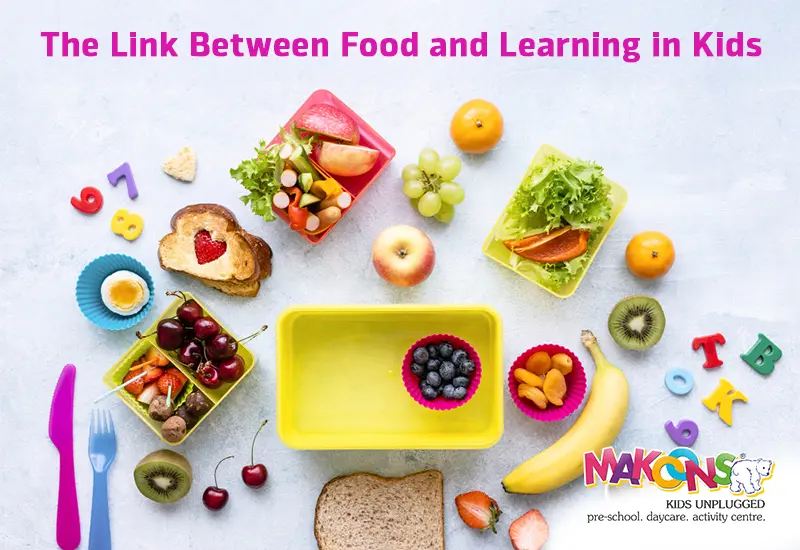
Learning, focusing on things and the ability of a child to remain active through the day is heavily related to what they consume. Early childhood is the stage during which the brain develops rapidly and the appropriate nutrition will allow the children to receive new information, construct memory and remain emotionally balanced. Knowing about the close relationship between nutrition and learning among children is vital among parents and teachers who desire to enhance the development of children and academic preparedness.
In this article, the author discusses the influence of food on mood, energy, brain development, and classroom performance. It also offers practical preschool dieting tips, healthy foods to eat when you are a preschooler, and the foods that would best suit the brain development kids to have a great beginning in life.
Reasons Why Nutrition is Important to Learning
The brain gets fed on good nutrition. The brain of a child consumes as much as 20 percent of the total daily energy and therefore whatever the child eats directly influences:
- Attention span
- Memory retention
- Emotional stability
- Behaviour and mood
- Problem-solving skills
- Physical energy levels
Children who consume balanced food are more active, attentive and able to study. Unhealthy food habits, however, may be the cause of fatigue, irritability, inability to focus, and reduced grades. This is what the learning and diet preschool educators highlight in the relationship between the two.
Related Topic: Healthy Eating Habits That Help Kids Focus
The Science of the Influence of Food on the Brain
To develop and to perform its functions, the human brain requires certain nutrients. The language, attention, and memory areas develop at a very fast rate during the preschool years. At this point, the need for children to have brain food becomes evident.
The essential nutrients that influence the performance of the brain include:
- Fatty acids Omega-3: Enhance learning speed and memory.
- Iron: Dynamism Assists in energy and attention.
- Protein: helps the formation of neurotransmitters so that it can communicate better among the brain cells.
- Vitamins B 6, B12, folate: Enhance brain development and cognitive performance.
- Antioxidants: Prevent damage of the brain cells.
- Complex carbohydrates: These give a sustained supply of energy to think and give concentration.
The relationship between food and focus is a positive effect of the high level of such nutrients where children can pay longer attention.
The Relationship between Food and Focus
Child nutrition influences their performance in terms of remaining active, being able to follow instructions, and learn new things. This is referred to as food and concentration association.
The impact of the bad food decisions on concentration:
- Sweetened foodstuffs lead to a sudden burst and crash in energy, making children hyperactive and subsequently lazy.
- Foods that have undergone processing do not contain the necessary nutrients and this has an impact on memory and attention.
Lacking breakfast causes lack of energy, irritability and lack of concentration
The Ways in Which Healthy Foods Enhance Concentration Include:
- Unrefined whole grains contain slow release energy that allows stable concentration.
- Veggies and fruits provide the much needed vitamins to make people more moody and alert.
- Fish, seeds, and nuts enhance memory and attention.
When the child eats well, he/she is most likely to be active in class, remember, and remain calm emotionally.
Related Topic: The Role of Nutrition in Day Care and Kindergarten Programs
Best Healthy Food Among Preschoolers
It will help to instill good learning habits by providing healthy food to the preschoolers. Balanced diets assist in the development of the brain, immunity, and emotional.
Foods to include daily:
- Vegetables (broccoli, zucchini, Brussels sprouts)
- Vegetable (carrots, spinach, broccoli)
- Cereals (oats, brown rice, whole wheat chapati).
- Sources of proteins (eggs, chicken, lentils, and beans)
- Dairy (milk, yogurt, paneer)
- Seeds (nuts and seeds, almonds, walnuts, chia seeds).
- Whole grains (waffles, whole-wheat pasta, whole grains)
These are food types which maintain constant energy levels, enhance memory and keep children mentally active.
The Best Foods to Give Kids to Brain Development
There are certain foods which are particularly brain-growing. These are the most suitable foods that brain development kids require in their early childhood:
1. Egg
High in protein and choline, which improves the development of the brain and memory.
2. Fish (such as salmon or Indian rohu)
Full of omega-3 fatty acids to be more focused and learn.
3. Berries
Have antioxidants, which enhance memory and defend the brain tissues.
4. Nuts and Seeds
Practise healthy fats, iron and vitamins that enhance concentration.
5. Whole Grains
The slow energy release makes the children more energetic.
6. Greek Yogurt
Promotes the communication of brain cells as well as enhances immunity.
7. Leafy Greens
Spinach and methi contain these vitamins which enhance the functioning of the brain.
8. Milk and Paneer
Good in the brain, bones and all round development.
Eating such foods on a regular basis can greatly improve mental capacities, concentration and recall.
Related Topic: How To Pack A Balanced And Nutritious Sugar-Free Lunch For Your Kids
Preschool Food Habits: Creating Healthy Routines at an Early Age
Whatever children are taught in the age 3-5 years is a part of their life’s work. Good preschool food habits are encouraged which makes them grow into responsible, disciplined and aware persons in regard to health and nutrition.
Healthy habits to focus on:
- Having meals at the same time of day.
- Eating little and then requesting some more.
- Experiencing the various fruits and vegetables.
- Replacing other sweet drinks with water.
- Chewing food properly
- Eating in a proper position.
- Distraction such as mobiles should be avoided during eating.
- Assisting to make the table or to clean to develop responsibility.
The habits assist in controlling the appetite, increasing mindfulness, and enhancing digestion and energy.
Preschool Diet Advice to Parents and Teachers
The school and home settings influence the eating habits of children. The following tips concerning the diet of preschool children contribute to the general physical and psychological growth:
1. Never skip breakfast
Breakfast provides energy to the brain for the whole day. A healthy breakfast enhances recollection, problem solving and concentration.
2. Provide balanced meals
Protein, whole grains, and healthy fats, in addition to fruits/vegetables, need to be included in every meal.
3. Avoid sugary snacks
They lead to mood fluctuations, hyperactivity and lack of concentration.
4. Eat in small and proper portions
Children are not to be induced to eat too much.
5. Offer colourful plates
Children are more likely to consume a wider variety of food as it looks good.
6. Introduce new foods slowly
Combine unfamiliar foods with favourites to prevent rejection.
7. Encourage drinking water
Direct effects of hydration are energy, attention, and mood.
8. Participate children in food preparation
It causes them to feel more enthusiastic about new food.
The following tips make it more convenient to uphold the approach to learning and diet preschool which promotes academic achievement.
Related Topic: Top 10 Healthy Vegetables Kids Should Eat Every Day
Correlations of Nutrition and Learning in Children
The connection between learning and nutrition among kids can be observed in daily affairs. Studies indicate that students who consume nutritious food have better performance at school since:
- The nutrients required in their brains are supplied.
- Their energy level does not fluctuate during the day.
- They remain attentive and composed at the workplace.
- It is because their behaviour gets better because of the stable levels of blood sugar.
- They become inquiring and participatory learners.
Healthy eating is an investment into academic achievements and emotional health of a child.
The ways Teachers Can be Used to Encourage Healthy Eating
Preschools are significant in the behavior of food habits.
Teachers can:
- Organize “healthy food days.”
- Use stories and play to educate children on the fruits and vegetables.
- Prepare colour charts on food.
- Discussions such as what did you bring in your tiffin today should be encouraged.
- Teach healthy eating in times of snacks.
- Provide parents with information related to healthy lunchboxes.
Children learn the importance of nutrition faster when teachers are actively involved in their lives.
The Support of Parents in Learning by Healthy Eating
The largest influencers of the diet of a child are parents.
Parents should:
- Provide made-to-order nutritious food.
- Eat snacks instead of packing them with fruits or nuts.
- The food should not be used as a reward or punishment.
- Haven’t meal times as a family.
- Keep school and home habits in line.
Children develop good food-learning associations when their parents and teachers collaborate.
Related Topic: 10 Best Healthy Foods to Include in Your Kids Meal
Conclusion
The food-learning relationship is one of the most significant early childhood developmental pillars. A healthy diet promotes brain performance, concentration, mood, and general academic success. Families and schools by targeting nutrition and learning in children, selecting good food to feed the preschoolers, and providing the kids with the best foods to build their brains may establish a solid foundation in the life of success.
Promotion of healthy foods, development of good preschool food habits and use of simple preschool food guidelines ensure the child remains focused, active, and able to learn. As we learn to digest the strong relationship between food and concentration we see that each bite that a child makes determines how he/she learns, grows and succeeds.







 Twitter