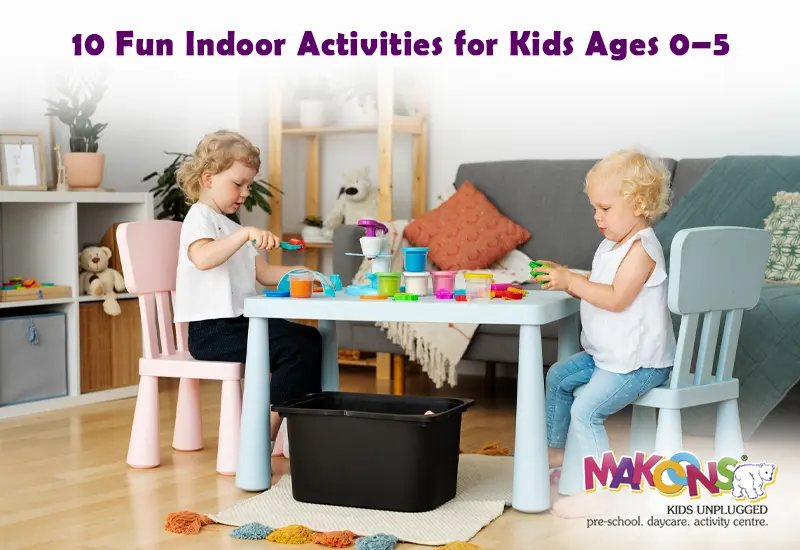
Mental health early childhood is equally significant as physical health but it is not given due attention. Preschool years are characterized by a high rate of emotional, cognitive, and social development in children. It is these early years that define how they are able to express their sentiments, how they are able to cope with stress, how they are able to develop relationships and how they are able to make sense out of what is going on in the world around them. The parents also have an important role to play in promoting mental health among preschoolers and prepare them to have a healthy life in future.
This guide discusses the fundamentals of child emotional well-being, its importance, and its benefits on the steps that parents can take in practice to ensure healthy early childhood development. It even has actionable preschool mental health tips, information on the stress in young children, and the basics of child psychology that all families need to feel knowledgeable.
The Reason Mental Health is Important in Early Childhood
Childhood is a very fast growing stage. The brain of a child develops connections at a rapid rate between ages 0-6 as compared to any other age. These developmental years have an impact on:
- Emotional regulation
- Social behaviour
- Cognitive skills
- Sense of security
- Coping abilities
Positive mental development enables the children to feel safe, communicate, express themselves, and associate well with others. Later in school, behaviour or relationships, problems can be manifested when emotional needs have not been addressed.
Early intervention into child emotional well-being makes young learners resilient, confident, and understanding.
Related Topic: Top 10 Healthy Dessert Ideas for Kids in 2025
Learning about Basics of Child Psychology
The basic knowledge of child psychology assists in making parents understand what is normal and what might require concern. Preschoolers:
- Have big feelings but they do not know how to tell.
- Cling to routine, safety and bondage.
- Study by observing, imitating and playing.
- Less coping skills lead to experience of stress more readily.
- Require emotional validation on a regular basis by adults.
Children do not tell that they are anxious but display behaviour. Emotional signals can be tantrums, clinginess, abrupt fearfulness, any change in the appetite, disturbed sleep, or regression (such as bedwetting).
These basics can guide the parent to be patient and understanding instead of frustrated when interacting with the affected child.
Individuals with Good Mental Health in Preschoolers
A healthy preschooler is expected to:
- Games and ventures fearlessly.
- Forms form attachments with caregivers.
- Demonstrates interest and fantasy.
- Tries new activities
- Shows feelings according to age.
- Routine worker, but becomes flexible.
- Demonstrates basic empathy
These indicators demonstrate that childhood development at an early age is headed in the right direction.
Learning about Stress in Young Children
Parents think that children do not worry, but the issue of stress is very real in young children. The causes of stress to preschoolers include:
- Changes in routine
- Family conflict
- Starting school
- Separation from parents
- Overstimulation
- Excessive screen time
- Academic performance demands.
- Shocking events such as relocation.
Stress usually manifests itself through headaches, stomachaches, irritability, withdrawal, or violent behaviour. Sensitivity to such signs will aid parents to act in time.
Influencing Factors on Mental Health of Preschoolers
There are factors that influence mental health among preschoolers and they include:
1. Family Environment
An emotional security is created by a warm, stable and loving home environment. Punitive treatment, erratic behaviour, or frequent quarrelling may hurt psychological health.
2. Parenting Style
Since rules are clear and warm, it is the authoritative parenting that contributes to healthier results than very strict and permissive ones.
3. Physical Health
Emotional balance can be affected by poor sleep, nutritional deficiency and lack of physical activity.
4. Social Interaction
Parents and friends provide essential social skills to children. The problem is that, in such a way, they are less connected with each other, thus their ability to deal with emotions and befriend other people may decrease.
5. Early Learning Experiences
The preschool social emotional learning incorporated into a preschool enables children to become empathetic, collaborative, conflict resolving, and emotionally conscious.
The Preschool Social Emotional Learning (SEL): One of the Aspects.
Preschool social emotional learning can be defined as the instruction of the following skills in children:
- Identifying emotions
- Sharing and taking turns
- Problem-solving
- Being able to feel other people.
- Managing frustration
- Building friendships
SEL is inevitable since emotional skills of a child determine:
- Academic performance
- Behaviour
- Self-confidence
- Adjustment to new circumstances.
- Peer relationships and caregivers Relationships with peers and caregivers
Storytelling, pretend play, and open conversations are some of the activities that parents can use in reinforcing SEL skills at home.
Related Topic: Top 10 Healthy Vegetables Kids Should Eat Every Day
Mental Health Mental Health Tips on Preschoolers
The following are research-supported useful preschool mental health tips that could be applied by every parent:
- Develop good emotional attachments
Spend quality time daily. Hug, talk, and listen. Firm attachment reduces stress and increases confidence.
2. Facilitate Expression of feelings
Make kids learn to identify emotions: happy, sad, angry, scared. Talk in a calm tone such as; I see you are not okay. I am here to help.”
3.Maintain Routines
Routine assures safety to children. Keep a regular routine of sleeping, eating and playing.
4. Promote Play and Creativity
Free play facilitates the release of emotions and brain development. It assists kids in developing imagination, interpersonal skills, and problem-solving skills.
5. Limit Screen Time
Excess time on the screen will enhance irritability and lower socialization. Select interactive and age-related material and balance.
6. Read Together
There are stories that make children realistically learn about feelings and various circumstances. Discuss feelings and friendships with the help of books.
7. Engage in Positive Discipline
Redirection, explanation and natural consequences should be used instead of yelling or punishment. Relaxation can teach children emotion regulation.
8. Promote Interpersonal Communication
Group engagements, playdates, and interactions in the preschool favor learning and positive emotional development.
9. Provide Healthy Lifestyle Habits
Emotional well-being of a child is directly enhanced by good sleep, healthy food and outdoor play activities.
10. Model Healthy Feelings
Children imitate adults. Teach them to remain collected, apologise in case of errors and express their feelings freely.
Parents Guide to Child Mental Health
A parent handbook on child mental health incorporates:
- Stay Observant
Mini behavioural differences may be initial signs of emotional conflicts.
2. Communicate Openly
Open ended questions such as:
What happened in school to-day, did you feel good?
“What made you happy or sad?”
3. Provide Reassurance
Children must be made to understand that they are loved regardless of the situation. Accept the way they feel rather than denying them.
4. Partner With Teachers
Emotional cues tend to be picked up at a young age by preschool teachers. Communicate and cooperate to help the child.
5. Get a Professional when it is necessary
In case emotional distress continues after weeks, it would be a good idea to consult a child psychologist. The intervention at a young age works and diminishes the difficulties in the future.
Related Topic: How to Keep Your Child Healthy During Cold Weather
The Role of Preschools in Promoting Mental Health Among Preschoolers
The good preschool environment helps in the mental health of preschoolers by:
- Social-emotional instruction interventions.
- Emotional development training of teachers.
- Classrooms which are safe and inclusive.
- Play-based learning
- Existent orientations (art, music, movement)
- Monotonous daily routines and nurturing communication.
Parents are supposed to select schools where emphasis is made on emotional growth in addition to academics.
At What Age should you Seek Help: Red Flags that Parents Should not Overlook
Consult a professional in case a child:
- Displays acute changes in behaviour.
- Feels depression or anxiousness.
- Avoids social interaction
- Experiences sleeping or eating problems.
- Expresses violent or self-destructive behaviour.
- Backslider (e.g., skills are lost) also.
- Lacks no playing or communication.
Such signs do not always mean a disorder though, they are solid signals that need to be taken care of at the earliest stage when it comes to emotional needs.
Conclusion
Mental health among preschoolers does not necessitate a complex approach, just the need to be aware, patient, and able to provide emotional support on a regular basis. Parents pay attention to the underlying emotion of a child to make them confident, resilient, and happy young learners. Good family relationships, good habits and responsive parents are all factors that lead to good early childhood development.
Knowing the basics of child psychology, dealing with stress among young children, and implementing real-life preschool mental health tips, families may establish the supporting environment in which children feel secure, empathized with, and appreciated.
My well-informed parents guide to child mental health enables caregivers to bring up emotionally stable children that succeed both within and outside the classroom. Given the necessary support and care, any child can be able to thrive emotionally, socially, and mentally throughout the treasured preschool years.







 Twitter