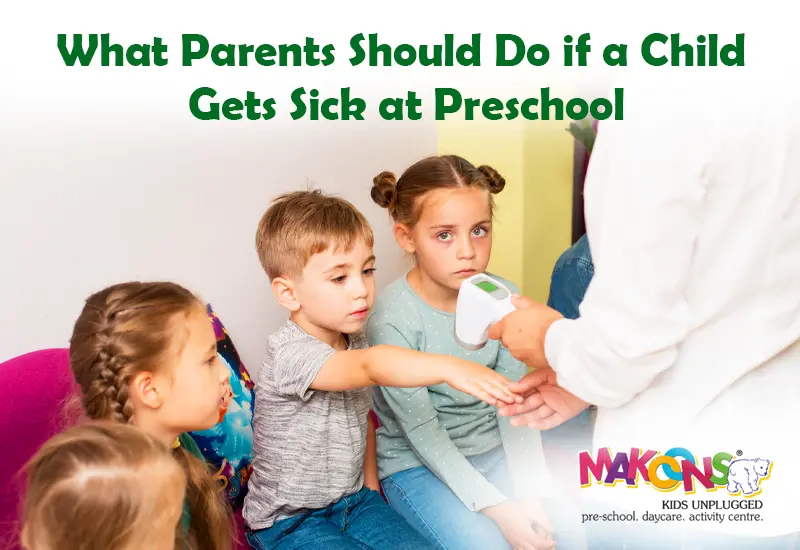
A preschool classroom is an environment of learning, happiness and development- but it is also a setting where children are most likely to get infections. Young children are very curious and they touch everything around them, their immune system is still under development, therefore making them more susceptible to fall ill. Being a parent, it is also a worrying part when you get that late phone call out of the blue in school. This knowledge can help to make the situation smoother and safer, as you know precisely what to do in order to make everything safe and sound.
It is a detailed guide on what to do when a child is ill at preschool, how to handle the policy of sickness preschool, and some other significant steps that should be taken in dealing with sickness preschool. It also contains some preschool health tips that are essential, a list of common preschool illnesses and what is to be expected in the emergency care in preschool.
The Reason Why Children in Preschool Are More Likely to Become Sick
Preschoolers are in the process of immunization. Germs spread more easily through their cleaning behaviors they have such as wiping noses, sharing toys, putting hands in their mouths. They also interact with numerous children in close contacts.
This knowledge can guide parents to be ready and take the correct course of action whenever addressing what to do when children are sick in school.
Stay calm and act on a timely basis
The time you receive a telephone call that the child at the preschool is unwell, remain calm. The majority of the diseases are mild and controllable. Symptoms are monitored and the first comfort is offered by trained staff that is normally present in preschools.
What you need to do now:
- Make the preschool aware of your ability to come soon.
- Inquire about the symptoms demonstrated by your child.
- Report any known allergies or the health status conditions on your child to the school.
- Get ready for any necessities, like water, tissues, drugs (when prescribed by a doctor).
The timely response will contribute to effective and safe preschool-age emergency care.
Know Preschool Illness Policy
Each school has its preschool policy of illness, as a result of which:
- When a child must be sent home
- What are the symptoms that must be picked up immediately?
- The age at which a child can resume preschool.
- Any necessary medical documents (yes or no).
- Regulations concerning fever, vomiting, rashes and contagious diseases.
The Reason You should Adhere to the Policy.
These regulations safeguard each child, staff and family. The preschool illness policy should be strictly followed and this will ensure that the infection does not spread in the classroom.
Make sure you do this, and ask the school to send you a copy of its policy and store it with ease in your house.
Pick Up Your Child Promptly
Parents are normally supposed to pick up a child who is under the care of the preschool when they receive information about the sick child within a specific period of time- usually 30-60 minutes.
Why Quick Pickup Matters
- Home care and rest to sick children is needed.
- The unwell child is isolated which makes other children safe.
- Educators are able to concentrate on students who are left.
- Early diagnostics or treatment can be provided properly.
This is a vital component of dealing with sickness preschool procedures in every learning institution.
Several of These Symptoms Can be Gauged at Home Using the Checklist:
Once at home with your child watch his or her condition. The following is a parent check-list in a nutshell:
- Are they feverish above 100.4 deg F (38degC)?
- Vomiting or diarrhea?
- Do they cough and have difficulty in breathing?
- Does it have a spreading or itching rash?
- Are they abnormally fatigued, irritable or weak?
What is happening can be understood and what you need to do next is determined. This is the foundation of an approach based on parent guide sick child.
Consult a Doctor If Needed
There are a number of common illnesses in preschool that are the same but some of them can be dealt with with medical attention. Seek medical attention of your child when he/she:
- Fever longer than 24 -hour duration.
- Is dehydrated
- Has breathing trouble
- Has a rash with fever
- Is hypersomniac or obstinate.
- Has ear pain or throat pain
- Won’t eat or drink
Early consultation comes in handy to provide proper care and assist you to observe school regulations to be re-entered.
Keep Your Child Home Till 100 percent Well
Parents are usually faced with the difficulty of when the children can come back. Do as your doctor says and as the policy of the pre-school illness says.
Common Guidelines Include:
- At least 24 Hours without drugs: Without fever.
- None in 24 hours, neither vomiting nor diarrhea.
- Rash should be identified and infectious.
- The duration that antibiotics are to be used must be at least 24 hours (in the case of bacterial infections).
- The child must be in good enough shape to attend school.
A premature recall of a child can trigger the disease to reoccur or be transmitted.
Getting in Touch with the Preschool
Communication is good to prepare and precautions are taken against the school. Let the staff know:
- The diagnosis of your child (in case confirmed).
- Any drugs that they are on.
- Expected return date
- In case other siblings are sick as well.
Such transparency helps in keeping your child healthy as well as safe in the classroom.
Comfort and Hygiene of Managing Care at Home
Home care is very important where one is dealing with an ailing child in preschool. Focus on:
- Comfort Measures
- Keep them hydrated
- Offer small, frequent meals
- Give plenty of rest
- Have a humidifier in case of cough or cold.
- Keep rooms cool and well ventilated.
- Hygiene Measures
- Wash hands frequently
- Disinfect surfaces
- Wash different utensils and towels.
- Get rid of the tissues as soon as possible.
These activities follow health precautions in preschool against diseases in the future.
Get Educated on Childhood Preschool Diseases
Children should learn how to recognize common infections, and this will keep parents on their guard. The most common illnesses of preschoolers are as follows:
- Common Cold
- Runny nose, cough, mild fever.
- Flu
- Acute fever, body pains, fatigue.
- Hand, Foot, and Mouth Disease
- Mouth ulcers, rash of hands, feet.
- Gastroenteritis -Stomach Flu
- Vomiting, diarrhoea, risk of dehydration.
- Pink Eye (Conjunctivitis)
- Red, itchy, watery eyes.
- Ear Infections
- Suffering, irritability, pulling of the ear.
- Strep Throat
- Fever, sore throat, sore swollen glands.
- Allergies
- Sneezing, sore eyes, runny nose.
The awareness of the symptoms will provide prompt response and correct preschool emergency treatment where necessary.
Build a Sick-Day Plan
All parents must have a sick-day policy prior to their children becoming ill. This should include:
- Backup caregiver options
- Basic medicine (as suggested by the doctor) of a stock.
- Thermometer, tissues, hydration fluids.
- Such work-at-home arrangements were feasible.
A strategy facilitates easier management of sickness preschool cases.
Educate Children of Early Prevention Practices
Easy healthy lifestyles lessen the occurrence of illness. Reinforce:
- Washing hands before eating
- Sneezing using tissues or elbows.
- Avoiding contact between hands and eyes, nose, mouth.
- Snacks and bottles were not shared.
- Using sanitizer when needed
These are key preschool health tips that enable children to be self-sufficient.
Matter of Emotional Support
Preschoolers become anxious when they get ill. Comfort them by:
- Comforting them will be all right.
- Symptom explanation using simple words.
- Spending quality time
- Providing preferred toys and books and quiet activities.
Parent guide sick child approach involves emotional safety.
Conclusion
It is possible to know what to do exactly in cases where kids are sick at school and this will make the stressful situations manageable. The management of a child in a preschool when he or she is ill will entail being calm, quick on response, communication with the school, good home care and the school illness policy. Knowing the most prevalent illnesses in preschool, the most important hygiene practices, and the supportive preschool health tips, parents will be able to have their children well taken care of and provide a safe preschool environment to all.







 Twitter