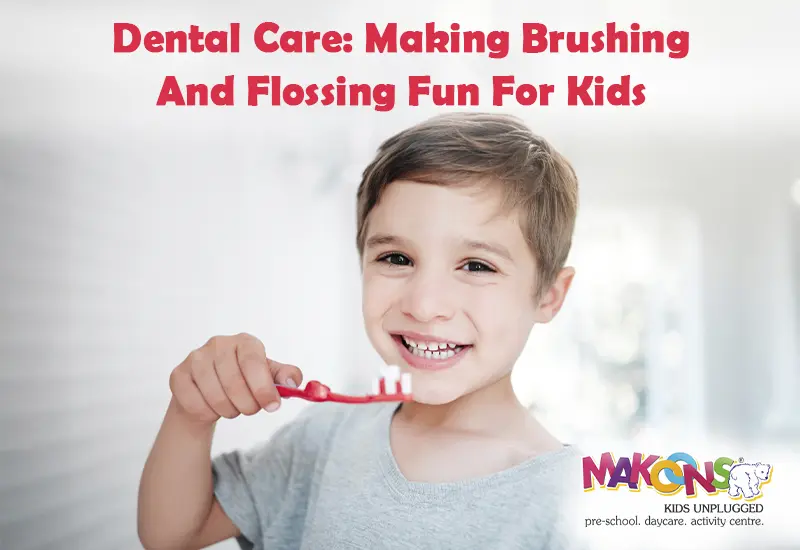
Good oral habits are formed much earlier before children know how to read or to tie their shoes. To most families, the practice of brushing and flossing may seem like a small battle per day to them as the kids will either run away, rather not go near the sink, or just, refuse to do it. However, the most significant aspect of childhood care is to help children to learn good dental habits. The dental care of children can be transformed into a pleasant experience they will actually enjoy instead of having to be coerced into when approached with the appropriate combination of creativity and patience.
Especially the preschoolers require guidance and encouragement. Their habits are still taking shape, and this is when it is best to establish positive life long habits. Adults can make brushing and flossing enjoyable rather than a task with playful thoughts, songs, activities to perform, and straightforward explanations.
The Importance of Early Dental Habits
Preschoolers are at a stage at which small habits form permanent habits. Early training on how to take care of their teeth prevents cavities, minimizes fears of the dental treatment and gives someone a good base to build on in general health. Most parents feel that there is no need in baby teeth as these are lost, but this period is very crucial. Healthy infant teeth give the child speech and chewing abilities, jaw growth and even confidence.
This is the reason why they should pay so much attention to the health of the mouth of preschoolers not only it is a routine but also a necessity in their development.
Having Fun Brushing Habits at Home
The most effective method of making brushing fun to the children is to make it seem like a game, and not a chore. Young children are fond of stories, music, colourful objects, and pretend play and these factors can be incorporated into the brushing time to lessen the opposition to it.
Most parents employ brushing activities that preschool teachers also employ like allowing children to brush the teeth of a stuffed toy or doll or of a doll before brushing their own teeth. This makes the children have a feeling of control and familiarity. As they teach somebody first, they open up to learning themselves.
The second one is to use a sand timer or visual timer app. Children will love a race against the clock, and it will make them brush the entire two minutes without having to get bored. The toothbrushes are also electric and have lights and soft vibrations that should assist in keeping them attention.
Related Topic: How to Keep Your Child Healthy During Cold Weather
Music Makes it Magical to Brush
Music is almost a magic of almost all preschool teachers. Songs do not need any guidance, they attract attention at first sight, they make children follow actions happily. This is why brushing songs which are introduced by a preschool teacher can be very effective at home as well.
A simple two-minute song can:
- brush long enough with children.
- be predictable of routines.
- establish a positive atmosphere with dental treatment.
- it is a dance and clean exercise to turn brushing into a dance.
There are also parents who make up their own brushing songs with the name of the child, his or her favourite characters or weird sounds. It is even more thrilling when the song is personalized. Gradually the child starts to correlate the brushing process with something entertaining and well known.
How to Make Flossing Kid-Friendly
Although brushing is the primary concern in early childhood, it is also fairly useful to introduce flossing to children in a gentle, playful manner. You do not need to assume flawless performance at the very beginning. Awareness is built by simply demonstrating to them how floss removes small bits in between the teeth.
Parents can:
- long the colourful flossers of little fingers.
- Make flossing a search and rescue mission.
- Brush along with the family to set an example.
- First get the child to attempt to floss the teeth of a toy.
These are small steps that touch the preschooler upon the idea that flossing is also one more aspect of keeping their mouth clean- something that is not something to fear or be afraid of.
Dental awareness Preschool Activities
Preschools are very significant in early health habits. Healthy teeth preschool activities commonly presented by teachers allow children to learn about dental care in a light manner. These may include:
- comparing games to foods that are either good or bad to the teeth.
- brushing on big plastic models.
- marking the worksheets with clean teeth and dirty teeth.
- play fake dentist offices using fake tools.
- group songs concerning brushing or flossing.
These activities assist children to digest the dental hygiene lessons using the repetition and fun. Kids adapt even better when the home routines are the same as what they are taught at school.
Related Topic: 10 Superfoods to Boost Your Toddler’s Immunity Naturally
Basic Dental Hygiene Hints in Preschool Families
Parents do not necessarily need such complex plans they only need little, frequent steps. The best tips of preschool dental hygiene are:
- allowing children to select their toothbrush.
- applying toothpaste in fun flavours (and making it kid-friendly)
- a brushing routine (two times a day).
- rewarding hard work as opposed to excellence.
- brushing together family.
- reducing the consumption of sugary food, particularly at night.
Children work well when they feel engaged. They feel responsible and proud when they pick their brush or when they are engaged in the routine.
Relating Eating Habits and Oral Health
Dental care does not only involve brushing. Diet Among the children, oral health is largely dependent on what they eat. Preschoolers tend to eat sticky food, juices, and sweets, and they are likely to bring cavities.
Parents may develop improved awareness by:
- serving snacking fruits and vegetables.
- using water instead of carbonated beverages.
- not eating snacks that adhere to the teeth.
- training children on how to rinse their mouth after eating.
Associating food with oral health among preschoolers will make the children realize that there is a bigger picture.
Related Topic: Healthy Eating Habits That Help Kids For Better Focus
Transforming Dental Care into Family Moments
Children are a reflection of what they observe. By brushing joyfully and flossing regularly, parents get their kids emulating them. The morning and evening rituals can be transformed into quality time and not hasty tasks.
Families can:
- brush against one another before a mirror.
- take turns of checking out the bright smiles of each other.
- hearten weekly no cavity stars.
- write bedtime stories of superheroes who have shinny teeth.
- Such minor customs also make children anticipate dental care rather than evading it.
Conclusion
It does not necessarily mean that teaching the preschoolers about the significance of dental health is a stressful task. By using imaginative routines, catchy songs, colourful equipment and soft instruction, families will be able to turn brushing and flossing into an engaging and significant experience. This is because early habits determine how a person should live, and through proper collaboration between the parents and the teachers; the child will grow up knowing that taking care of their teeth is not hard but fun.
This is done by brushing activities preschool, playful songs, or even just telling stories; it is all aimed at creating confidence and curiosity. Dental care can be a day to be celebrated not a battle with patience, regularity, and a little imagination.







 Twitter