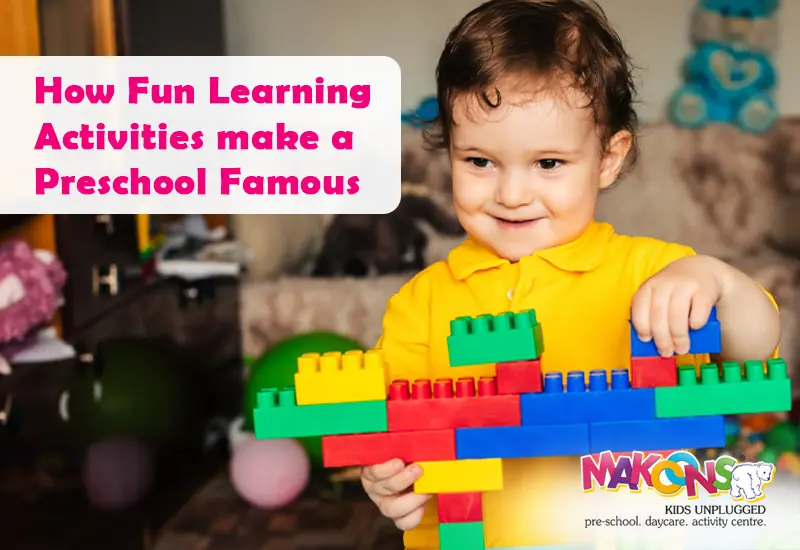
Engaging preschool learning experiences ground any preschool, and often foster its growing popularity in a community. When a preschool successfully intertwines purposeful play and early learning experiences, news travels, enrollments increase, and the preschool’s identity becomes interwoven with happiness, growth, and quality education. To illustrate how fun preschool learning experiences and an activity–based preschool philosophy distinguish one preschool from another, the following discusses: examples, research, and preschool experiences.
Why Activity-Based Preschools Are So Popular?
Modern parents expect more than academic “drills” or “babysitting.” Activity-based preschools provide:
- Play school experiences designed to encourage cognitive, motor, and social skills
- Games with movement built in, going at a child’s pace and interest
- A joyful room setting where children want to come to school each day
- Creative educators as facilitators who lead learning through purpose not pressure
These elements lead students and families to future advocates of the preschool that will help grow its reputation and enrollments.
Key Aspects of Fun Preschool Games and Activities
1. Cognitive Play That Encourages Thinking
Memory games, puzzles, or matching are games that foster a child’s recall, attention, and critical thinking.
Games like “What’s Missing?” or “Story Retelling,” develop creativity, sequencing, and imagination.
Sorting shapes, colors, and objects encourages early mathPhysical Activities and
2. Movement Games
Games such as obstacle courses, animal walks, freeze dance, and ball games are wonderful ways to keep kids engaged in physical activity while developing coordination, listening, rhythm, and teamwork
Fine motor play (playdough, bead threading, cutting, tongs) helps strengthen hand muscles for fine motor skills involving writing and self-help skills
Outdoor nature hunts and collecting objects foster observation skills and science skills
3. Creative and Sensory Experiences
Art projects, finger painting, chalk drawing, and collages promote self-expression and sensory exploration
Music and movement sessions allow learning to happen through rhythm, listening, and body awareness
Sensory bins, sand and water tables promote texture, measurement, and physics disguised as play
4. Social and Emotional Learning through Play
Dramatic play centers or role play (shops, clinics, kitchens) practice cooperative play while developing empathy and turn-taking.
Group story circles, cooperative construction, and games (e.g. Duck, Duck, Goose, Simon Says) promote communication skills, the ability to wait, and develop confidence
Sharing, helping, and solving problems with friends foster a sense of community that every family loves
Preschool Curriculum Ideas that Create Buzz
- Weekly Themes (e.g. “Colors Week,” “Nature Week,” “Community Helpers”) that connect all pre-planned and spontaneous activities using a theme.
- Daily Routines with a Surprise: Daily routines promote a sense of stability but allow for a surprise element by adding a new game, guest, or outdoor play!
- Family Involvement Days that foster family engagement in an art area, music, or festival lengthens the word-of-mouth opportunity, but is a strong home/school connection.
- Show-and-Tell, Art Exhibitions, and Story Parades: By honoring children’s work, we promote family pride and cultivate loyalty to the school community.
Real-Life Preschool Success Stories
Teachers at many leading preschools share anecdotes of how children who regularly participate in varying preschool activities for children—group games, inquiry-based, engaging art, and role play—show significant gains in their attention, language, confidence, and cooperation and are typically loyal advocates for the center.
Why These Activities Create a Famous Preschool?
Happy children = Happy parents
Parents who see the children running into school and excited to participate in preschool enjoy sharing this news.
Visible meaningful learning: Parents are amazed at story circles, mini-science fairs, math games, and activities—not worksheets.
Child-first reputation: A flexible and inclusive curriculum attracts children of all backgrounds and abilities, which, ultimately helps establish community reputation as the preschool of choice
Strong community culture: Connecting social events, utilizing parent involvement, developing partnership with families etc. – strengthen the school as anchors of neighborhood life.
Preschool Activities: Ideas for Everyday Use
Math Hopscotch: Jump from one numbered mat to another (outdoors or indoors), counting out loud or solving simple mats as part of the motion/activity.
Rhyme Story Games: Passing a “story stick” or playing with word rhymes builds language fluency/action in the same way for all the brain states.
Treasure Hunts: Treasure hunts (indoors or outdoors) for clues to build problem solving, collaboration and teamwork skills.
Animal Imitation Games: Moving around, roaring or stretching like animals create unique gross motor and creative play and help expand children’s imitative play.
Cooking or Snack Preparations: Measuring out snacks, fruit charts connect math, health, life skills, and parents love it.
Activity-based Learning: Lifelong Benefits
Academic readiness: Children naturally learn core literacy, numeracy, and science skills through real-world applications every day at preschool.
Critical thinking and creativity: Open-ended activity/inquiry-based sense of discovery encourages a growth mindset for innovation and flexible problem solving.
Develop gross Motor and brains: Active play nourishes both.
Lifelong social skills: Games, group victory, and collaboration develop negotiation, resilience, and self-regulation for group experiences or shared events.
Branding a Preschool by “Fun Learning”
- You get to advertise children’s work activities using newsletters, social media, or open house, so families can now enroll at preschool.
- Partner local organizations to conduct art, music, or sports workshops can help you advertise your preschool as innovative and dynamic.
- As teachers explore new activity-based preschool models, their motivation and children’s enjoyment continue to spark excitement by generating new fresh classroom ideas and parental excitement.
- Families will tell about how the shy child blossomed during circle time or the child with special needs practiced engagement during sensory play to sell how fun can change their life or for the preschool.
Conclusion
Preschools who promote fun preschool games, activity-based learning and joys of real-life curriculum ideas will become a sweet starting place for families who want the best beginning for their children. Their brand is created by happy children, enthusiastic teachers, and a fundamental belief that all children should learn about fun every day. Today, preschool leaders and teachers can learn that an ongoing investment in continued creativity, inclusiveness, engagement, and real-life meaningful curriculum ideas, is not only planned-your preschool can become the next beloved success among the community, but will further center around what families want for their children!







 Twitter