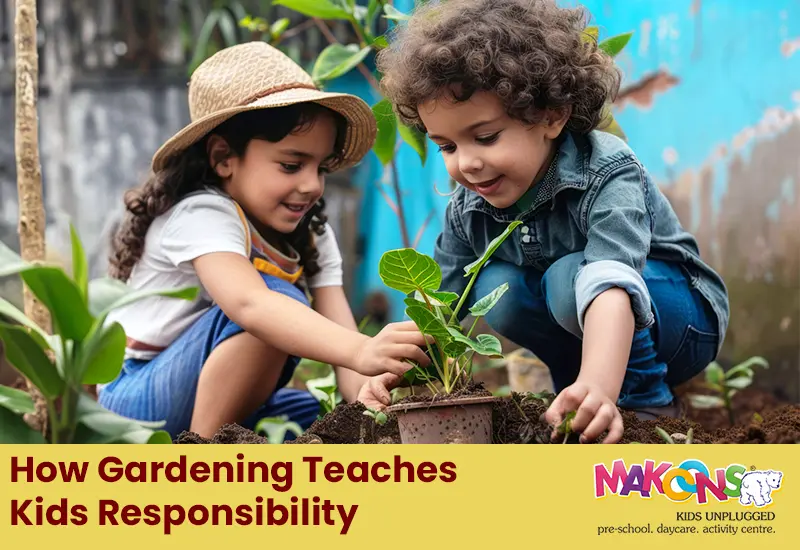
Gardening is an engaging activity that not only involves pushing seeds into the dirt but also nurtures curiosity, responsibility, and growth in our kids. For preschoolers, gardening is a perfect blend of inquiry and education, making it great for developmentally appropriate preschool learning activities and the growth of kids. For preschoolers, gardening is the perfect combination of inquiry and education, ideal for preschool learning activities and the development of children. While children dig, plant, water, and harvest, they actively learn what it means to take care of living things this evolves into an understanding of kids responsibility.
The Importance of Gardening for Kids
Introducing gardening for kids at an early age opens the door to development opportunities for young children. Gardening is not like other passive pursuits; outdoor learning through gardening not only engages children, but also grows their understanding of the realm of nature and the development of physical, cognitive, and emotional development. When children help take care of plants, they:
- Explore the life cycles of plants, as they see their actions of watering or not watering the plants, and the growing outcomes of their actions.
- Build a sense of responsibility as they take ownership for a living organism’s health and the gathering of improved knowledge.
- Discover lessons about their environment, nutrition, seasons, and growth by observing and participating in their gardening experience.
Preschool Gardening Activities That Support Responsibility
A successful preschool gardening program should involve age-appropriate activities that teach responsibility. Some straightforward preschool garden program activities could include:
- Giving each child the chance to “adopt” a plant, to become familiar with the body and what it needs to grow each day.
- Rotating positions such as “water master,” or “weed watcher,” so that everyone is involved in caring for our garden.
- Implementing very basic lesson plans for children such as, germinating mascot seeds in cups, when to move saplings out of their pot, or to understand the water schedule for plants.
- The actions taken in the garden prompt the child to remember, plan, and intentionally participate in the growth and development of their plants and living things.
- Responsibility is heavily rooted in routine and understanding consequences, which are both important elements of the gardening lessons for children.
- Daily or weekly gardening tasks also teach kids about routine, commitment, and patience.
- When a child forgets to water their plant, and then sees the plant wilted, the consequence becomes a lesson in learning- these lessons can involve consequences for not caring for the plant and the regularity of the care.
- When children garden, the teachable cycle of cause and effect gradually teaches the child accountability, and supports developing a routine for finishing tasks; both of these are fundamental to teaching kids responsibility.
Teaching Kids Responsibility: The Social and Emotional Development of Kids through Gardening
There are many ways that children develop as a result of gardening and caring for plants beyond practical plant care, which encourages emotional development:
- Builds self-confidence through results, once the child sees the evidence of their care (either a flower bloom or ripe fruit) as the children’s claim to have gardened.
- Children begin to empathize with the plant because they realize the need for their service (caring for the plant) to live.
- Children learn the value of patience, discipline, and resilience by waiting for the seed to sprout and then dealing with other potential problems (like bugs and bad weather).
- Socially, gardening at the preschool age is typically done in a group environment, where children learn teamwork, kindness, sharing, and taking turns.
Children learn to listen and communicate about their experience in the shared task, and have a group experience of success together.
Gardening as a Preschool Learning Activity
- Well-planned preschool gardening activities can lead to play-based learning in science, math, language, and art:
- Counting seeds or leaves takes children further than learning one-to-one mathematics skills.
- Watching plants grow, talking about weather and growth, or talking about what they see when planting and caring for flowers, fruits, and vegetables to promote science thinking.
- Talking about what you see in your garden while planting also builds vocabulary and storytelling.
- Drawing or painting shows creativity in gardening.
Each of these activities reinforces that responsibility can be fun and rewarding, especially as children feel like they are part of something nurturing and meaningful.
Child Development and Gardening: Lasting Benefits
- Child development with gardening is humanistic-learning is for body, mind, and soul.
- With Gardening, Physical, cognitive, and emotional development: Digging, watering, spending time caring for the soil, planting, tending to plants, and harvesting can lead to gross and fine motor development.
- Children learn skills of observation, prediction, and critical thinking as they discover the growth of their plants, as well as begin to problem-solve or think critically about problems in the gardening process.
- Children who don’t have the skills necessary feel proud or have higher self-esteem and mindfulness about gardening or what work was attempted or feelings about these tasks.
These ongoing lessons and skills help children be ready to set life-long responsible and healthy goals.
Kids’ Outdoor Learning: Connecting to the Natural World
- When kids learn outside, it takes gardening one step further by connecting children with the natural world.
- As children spend more time gardening and listening to the insects, birds, soil, and plants, they will learn about the connectivity of life and living things and how individual living things have needs and contribute to their eco-system.
- On average-the more children learn to garden-the more they will develop connection or affinity for environmentally friendly activities and ways of appreciating nature and learning the ways of stewardship.
Tips for Educators & Parents: Building gardening into the daily preschool program
Start small: Bring pots and containers into teaching areas, or even a small outdoor patch if outside space is available.
Build routines: assign kids responsibilities for daily care of a plant or container or make and care for a garden calendar.
Introduction story: Read books to children that involve plants or garden adventure themes.
Celebrate success and accomplishment: Celebrate first sprouts, blooms, harvest, as a whole group or in an appropriate way.
Encourage meta-cognitive thinking: after an activity, call children together to talk about what worked, what is not working, or how they all felt about the garden experience.
All of these ideas will and can help build a memorable and positive experience throughout preschool garden learning.
Conclusion
Organizing and implementing preschool gardening activities is more than just outdoor fun, it is a motivator for children learning responsibility, caring, patience, teamwork, and nurturing lessons. When children take over their plant or garden learning, the lessons they learn about watering their plant, and garden care, become internalized to carry into responsible and caring children.
Gardening becomes the seed for success for children to embrace and choose as future lifelong lessons.
By beginning, seeing, and promoting child development through gardening in preschool curricula, both teachers and parents have opened up a natural world for children to connect to ideas of responsibility, health, and happiness, just one flower, fruit, or leafy green at a time.
Read Also : 51 Fun Activities for Kids







 Twitter