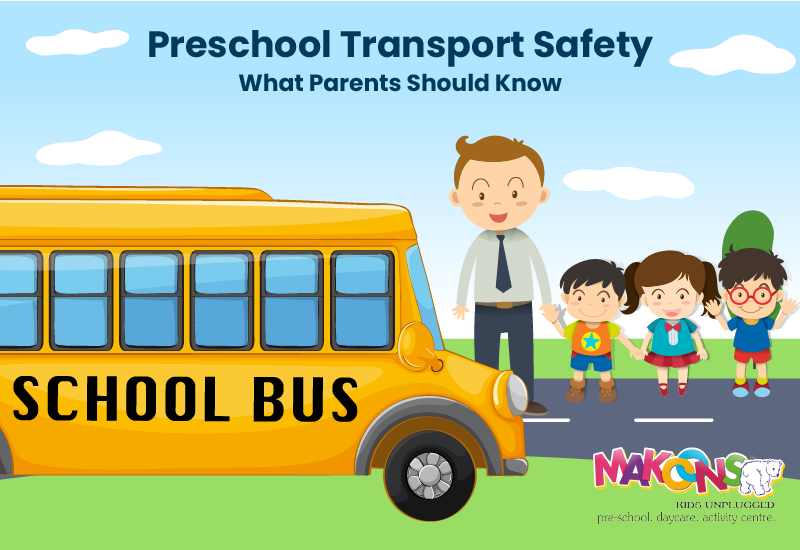
For parents of young preschoolers, the ideas of safety at school don’t stop in the classroom but extend to every facet of their day — including how they get to and from school. Preschool Transport Safety Young children are some of the most vulnerable passengers on the road, so the issue of preschool transport safety should be a concern for families and teachers alike. For that reason we’ve created this comprehensive guide to help educate parents like you on: How to keep your pre-schooler safe on the way to and from school. Following dad’s preschool travel checklist. Real world school bus safety tips. That ensure your pre-schooler will be safe as possible every step of the way. 3-It extends to the general theme child transport safety, school bus safety, and the main aspects of a responsible transports policy in kindergartens.
The Importance of Preschool Transport Safety
They have their own vulnerabilities, these 2- to 5-year-old preschool children. They are less visible to drivers, due to their small size. Their cognitive development is such that they do not have the ability to recognize or respond to risk at all times. Furthermore, preschoolers may act impulsively or unpredictably, fostering the need for increased supervision and child-centred safety strategies.
For nearly a decade, preschool crashes have brought attention to the need for unique safety guidelines. The evidence indicates time and again that the risk to children on properly fitted and supervised child safe buses is much lower than for other modes of transport. As pre-school commutation continues to rise in much of India, as well as across the globe, following safety regulations is quickly becoming not just advisable, but a necessity.
Key Components Of Child Passenger Safety For Preschool-Age Children
Child-friendly design of the vehicle and equipment
All transport vehicles must be built or equipped to accommodate preschool children:
- Child Safety Restraint Systems (CSRS): Applicable harnesses or booster seats are installed and used as intended. These restraints should conform to nhs national safety standards for pre-school child’s age and size.
- Properly Spaced Seats: Sufficient space between seats enables your child to use the safety belts and to move in an emergency.
- Easily Identifiable Exit Doors: Preschool school buses must have easy to use and clearly marked emergency exit routes.
- Vehicle Maintenance: Regular inspections at brakes, tires and all safety related systems ensure that you can rely on it.
- GPS/Recordable Cameras: Technology assisted monitoring provides real-time tracking and incident recording for accountability.
Professional Drivers and Attendants Training
Drivers and accompanying personnel should:
- Possess passenger transport-specific driving licenses.
- Background checks and verification should to be undertaken.
- Receive a comprehensive training program that includes child safety, first aid and emergency evacuation procedures, child behavior and conflict resolution.
- Adhere to strict rules of operation focused on safety and attentiveness.
Supervision Protocols During Transit
Good supervision keeps preschoolers safe on boarding, in the aircraft, and on arrival:
- Adults who are trained must be at the bus stop and on the bus.
- Keep count of the children for both departure and pick-up/drop-off.
- Monitor children to make sure they are buckled in their seat.
- Monitor behavior to avoid interrupting the driver.
How to Keep Your Children Safe in School Buses?
Advertisement Parents can still play a strong role in the safety realm of teen transport by following these steps:
- Arrive at the bus stop on time, and walk young children there.
- Instruct children to stand at least a few feet away from the curb as they wait.
- Review rules for riding the bus in a safe, calm manner.
- Require children to be belted during entire trip.
- Get to know the driver and transportation regulations.
- Raise any concerns with the school and your child’s transport provider as soon as possible.
Preschool Travel Regulations: What Schools Must Do
Preschool Travel Guidelines
Good preschool travel guidelines will include:
- formal Vehicle Inspections: As for normal business, buses should be inspected for safety regularly.
- By Law Child Restraints Required: Ensure all children under age 16 wear a restraint.
- Designated Pick Up and Drop Off Places: Designated areas should be chosen with parent supervision.
- Driver and Staff Requirements: Trained in safety procedure, emergency response and child supervision.
- Incident Management :Transparent procedures for reporting and handling accidents or complaints.
- Parent Communication: Report promptly with weather delays, emergencies, and communication to the parents.
Safe Transportation Standards for Vehicles and Equipment
The critical standards for the youngest learners are as follows:
Child seats and restraints to code.
- High back seats and have enough cushion.
- The cars are all clean and well-ventilated.
- Emergency material such as first-aid kits, communication tools, and fire extinguishers.
- GPS trackers and cameras to facilitate supervision and enhance safety accountability.
Parents’ Preschool Safety Tips: Working Together For Better Safety
Safety is a shared responsibility. Parents should:
- Check the preschool’s transportation policies as described in writing.
- Train children in safety and warn them not to cross roads on their own.
- Distribute reflective clothing or gear to children who stand at public bus stops.
- Participate in school safety meetings or transport orientations.
- There must be no delay in reporting conveyance safety issues.
Emergencies in Preschool Transport – A Call for Action
Preparedness is key. Schools and parents must:
- Prepare emergency response plans with procedures for evacuation.
- Teach train operators and crew members about first aid and crisis management.
- Keep lines of communication open so parents can be notified as soon as possible.
- Practice emergency drills with children so they know what to do.
Common Problems and How To Solve Them
Impediments such as traffic jams, variability of the driver, bad weather and unsynchronized schedules necessitate:
- Flexible routing and timing.
- Strict driver hiring and ongoing training.
- Contingency communication plans.
- Preschool and parents collaborating to create a tight, aligned schedule.
Conclusion
Safe transportation to preschool is an essential part of a child’s health. Parents, educators and transporters must all work closely together following best practices and policies to ensure safe preschool transportation.
By engaging and providing parents with clearly defined guidance we can Emphasize the Importance of Follow these important School Bus Safety Tips Implement These Guidelines and Every child at your School will travel & gt; Safety guidelines and a safe travel environment are in place every day for every preschooler.
Great preschool transportation policy along with well-maintained vehicles and properly trained staff makes for peace of mind for families and a safe trip for our youngest riders.
By focusing on child safety in transportation we ensure a secure, calm transition to and from the start of every day in preschool.
Read Also : What Makes a Preschool Great? | How to Choose the Best One







 Twitter