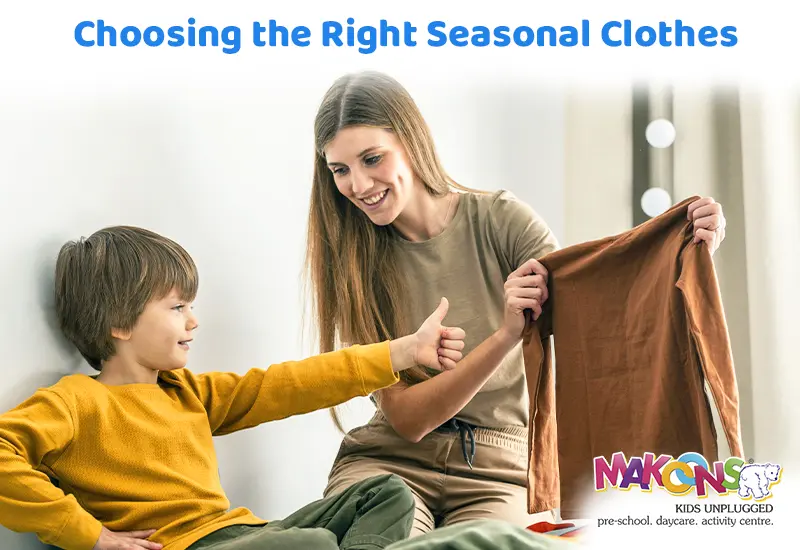
Every parent wants the best for their kids safety, comfort, and also happiness. However, small babies’, toddlers’, and preschoolers’ clothing should also change with the different seasons. It can be difficult and hard to create an ideal balance between warmth and breathability, whether it’s a bitterly cold winter, the scorching summer or maybe the unpredictable spring and autumn. You can choose kid-friendly seasonal clothing without even worrying about freezing or overheating with the help of this guide.
Let’s see how to dress kids according to the weather outside while maintaining the strike between comfort and safety.
The Golden Rule: Layer Smartly, Dress Thoughtfully
The secret to dressing your kid for the weather is just careful yet healthy layering. Layers that easily adjust to your child’s continuously changing surroundings are more important than some lightest t-shirt or the heaviest and bulkiest jacket. Whether they’re running, jumping or sliding in the park, crawling across the floor or garden , or taking a peaceful quiet nap, children are always moving.
Just start with applying a base layer that is breathable and softly presses against their skin. During the colder months like December January, choose merino wool or soft cotton , they are warm . Light cotton is ideal in warmer climates. Then, if it’s cold outside, put on an insulating layer over that base layer; a fleece or thermal is good options. Lastly, you should wear breathable and light cotton shirts in the summer, waterproof jackets in the spring, and windbreakers in the spring to protect yourself from the harsh weather outside.
Dressing Babies by Season: when Comfort Meets Safety
Babies are typically more susceptible to temperature fluctuations rather than older children or adults. Their bodies are less capable of controlling heat and cold. That’s why dressing babies according to the respective season is important for their safety and also health .
Babies need an insulated and protected outer layer, a warm layer (such as fleece), and a snug base layer (such as a onesie) during the harsh winter months. Always remember to bring socks, hats, and mittens with you in case .Just try to make sure that nothing is overly restrictive or tight that may restrict the movement of the body.It can be harmful to overheat, particularly while you’re sleeping.
Dressing Toddlers for Winter: Warm, But Mobile
Toddlers are eager to move. Therefore, avoid making toddlers feel heavy with clothing that restricts their range of motion when dressing them for the winter. Rather, spend money on lightweight, insulated jackets and thermals. Select gloves that permit finger movement and waterproof boots with adequate traction. Toddlers who enjoy taking off their hats will love hats that tie under the chin!
Additionally, choose neck warmers over scarves with loose ends. These are kid-safe clothes that lessen the possibility of strangulation or choking while playing.
A helpful hint? Select zippers instead of buttons. Every second matters when your toddler unavoidably needs a toilet break!
Summer Clothes for Preschoolers: Cool, Comfortable, and Covered
Summer clothes for preschool kids should mainly focus on keeping cool and avoiding sunburn when the sun is on the topic of heating. Consider flowy and breezy dresses, shorts, and also sleeveless cotton tops. However, make sure that you don’t always rely solely on skin exposure to stay cool.
Dark clothing does not reflect sunlight as well as light clothing. So , it is preferable to avoid dark clothes in summer because they absorb heat . Additionally, breathable, full-sleeve shirts provide superior UV protection when worn outside compared to the funky sleeveless tops.
Spring and Fall: The Unpredictable Seasons
Even though spring mornings can be chilly, by midday the warmth of the sun may make jackets uncomfortable. Autumn is no different. Layering then turns into a superpower.
According to this seasonal toddler outfit guide, you should have a soft hoodie, breathable innerwear, and a windproof jacket. On chilly mornings, lightweight beanies are ideal. Shoes with closed toes keep feet warm, particularly when the leaves get muddy or wet.
Before leaving, always check the weather forecast and make the appropriate clothing adjustments.
Child-Friendly Seasonal Wear: Prioritize Function Over Fashion
Can your child run, play, or even sit comfortably in that fluffy coat?
- Child-friendly seasonal wear must tick three boxes:
- Comfortable – Not too tight or itchy.
- Practical – Easy to wear and remove as needed , especially during potty training.
- Safe – No flammable objects, clothing that cause trouble to make movement, or choking hazards.
- Look for hypoallergenic fabrics, tag less labels, and elastic waistbands for kids . If your kid is active and moves all the time ,then don’t overdress them because movement produces heat .
Sleepwear by Season: Don’t Change a Thing Remember that kids should wear safe clothes to bed as well. Particularly in newborns, overheating while sleeping can raise risks.
Instead of using a thick and heavy blanket in the winter, use footed pajamas and a sleep sack for ease and comfort. Make sure that it’s warm but not hot in the room. A light cotton onesie is usually sufficient in the summer. To assess comfort and convenience, always feel the child’s back or the neck.
Regardless of the seasons, always stay away from heavy and thick clothing to wear and also thick blankets for night. Keeping them snug rather than sweaty is the aim.
Weather-Appropriate Clothing for Kids: Mistakes to Avoid
Some common mistakes when choosing seasonal clothes include:
Dressing children based on how adults feel.
- Ignoring accessories (like hats or gloves) in transitional weather.
- Using materials like polyester in hot weather, which trap heat.
- Over-layering in winter out of fear of cold.
The most effective method? Your kid should always be dressed in more than one layer that you are wearing. Also, it’s a good idea to always bring along an extra jumper or t-shirt with you.
Creating a Capsule Wardrobe for kids. Choosing a capsule wardrobe consists of a few adaptable and multipurpose pieces.
- 3–4 cotton tees
- 2–3 warm jackets (light, medium, heavy)
- 2 thermal sets
- 2 waterproof outerwear’s
- 2–3 sleepwear options per season
- Some important seasonal accessories like UV-protective clothing, mittens, and also hats.
This type of step mainly saves a lot of time, money, and also storage space while also ensuring that your child is always ready for any weather.
Final Thoughts:
Your Child’s Comfort Comes First
Selecting good and appropriate seasonal clothing doesn’t always have to be difficult and so hard. You can easily make wise decisions that ensure your kid’s safety, comfort, and their freedom of any movement by just being aware of their particular needs like what they prefer and knowing how to adjust with the weather.
Always keep the thing in mind that the goal is to create a balance between breathability and protection, whether you’re dressing small babies according to the various seasons , choosing pretty summer clothing for preschoolers, or just creating a seasonal toddler outfit guide. Keep your eye on your child first, pay attention to changes in the weather and also in their behaviour, and follow your comfort level.
Read Also : How Weather Changes Can Affect Your Baby’s Skin & Ways to Protect It?







 Twitter