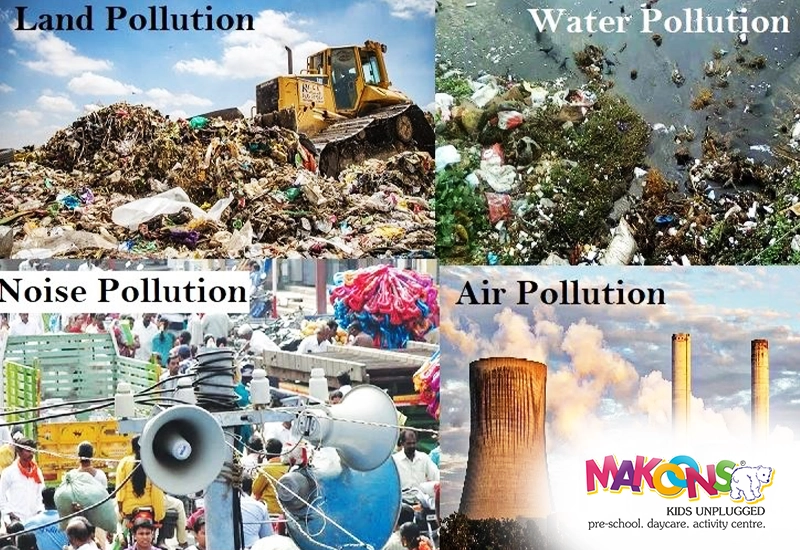
Have you ever went outside and seen smoke coming from cars, trash on the street, or dirty water in a river? That’s pollution! But never fear — we’re here to find out all about this problem and how even kids like you can help.
Then what is pollution? And how many types are there? Let’s find out together.
What is pollution?
Pollution occurs when our surroundings become unclean, meaning they are tainted in some manner, rendering them unsafe. People’s actions, like throwing away trash, smoking, or being noisy, are frequently what disturb the planet.
You live in the world! Do you want a dirty, disorganized room? No, correct? Earth feels that way if we pollute it.
Let’s now examine each of the various forms of pollution individually, shall we?
Why Should Kids Know About Pollution?
Children need to know about pollution, because it harms their health and future. Once they learn how dirty air or water harms them, they begin to care about their environment.
Teaching them basic practices like binning, planting trees and reducing plastic help instill lifelong responsibility. A cleaner tomorrow begins with environmentally conscious children today.
Types of Pollution
There are five main types of pollution you should know about. Each one affects our world in a different way. Let’s go through them one by one.
1. Air Pollution — When the Air Gets Dirty
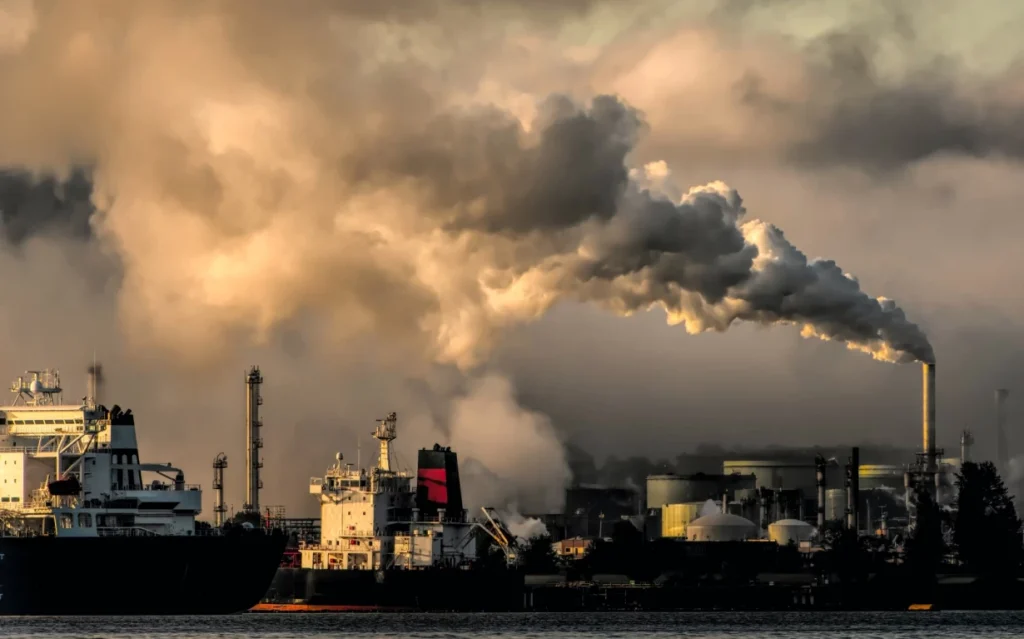
Air pollution happens when dangerous gases,smoke and dust combine with the air we breathe. Oh no!
How it happens
• Car exhaust
•Factory smoke
•Burning garbage or wood
•Dust storms
Why it’s bad
•Makes it hard to breathe
•Causes coughing or asthma
•Harms birds and animals too
Fun fact: Trees are like the Earth’s air-fresheners! They clean the air — so planting more trees helps fight air pollution.
2. Water Pollution — Unclean Rivers and Seas
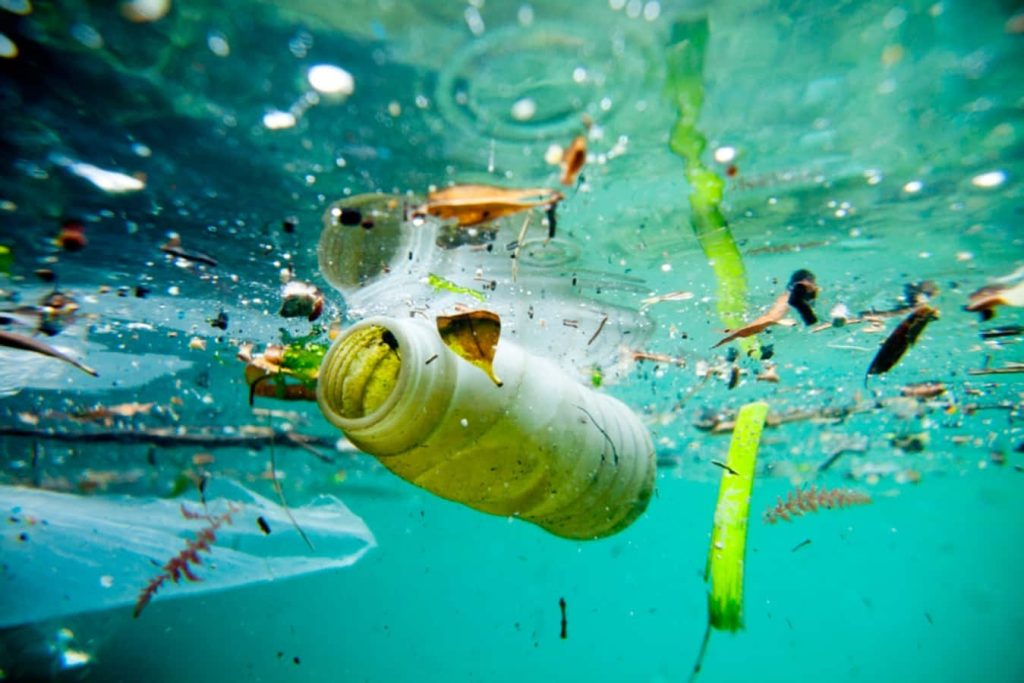
Water pollution is the result of contaminating our lakes, rivers, seas, and oceans.
How it happens
•Throwing garbage in rivers or lakes
•Oil spills from ships
•Factories releasing dirty water
Why it’s bad
•Fish and turtles can get sick
•We can’t drink or use polluted water
•Plants that grow in water also die
Tip: Never throw anything into rivers or drains — even a candy wrapper can hurt fish!
3. Land Pollution — Trash Trouble
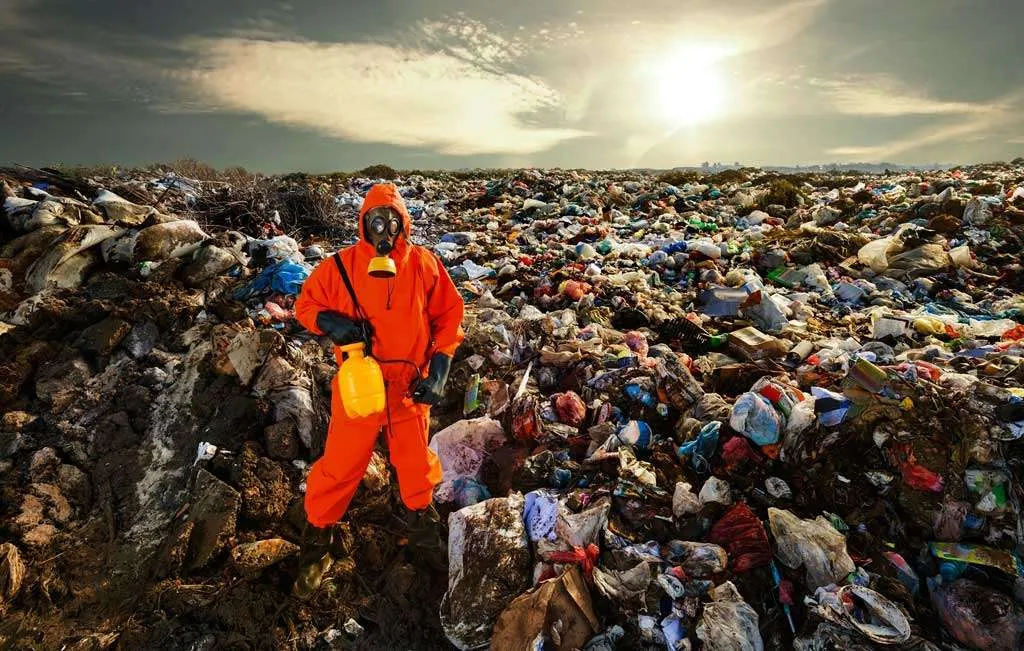
Land pollution happens when garbage is thrown around or when we use too much plastic.
How it happens
•Littering
•Too much plastic
•Not recycling things
Why it’s bad
•Makes places look dirty
•Harms animals who eat plastic by mistake
•Spreads diseases
Easy fix: Recycling paper and plastic is an easy solution. Even chewing gum should not be littered!
4. Noise Pollution — Too Loud!
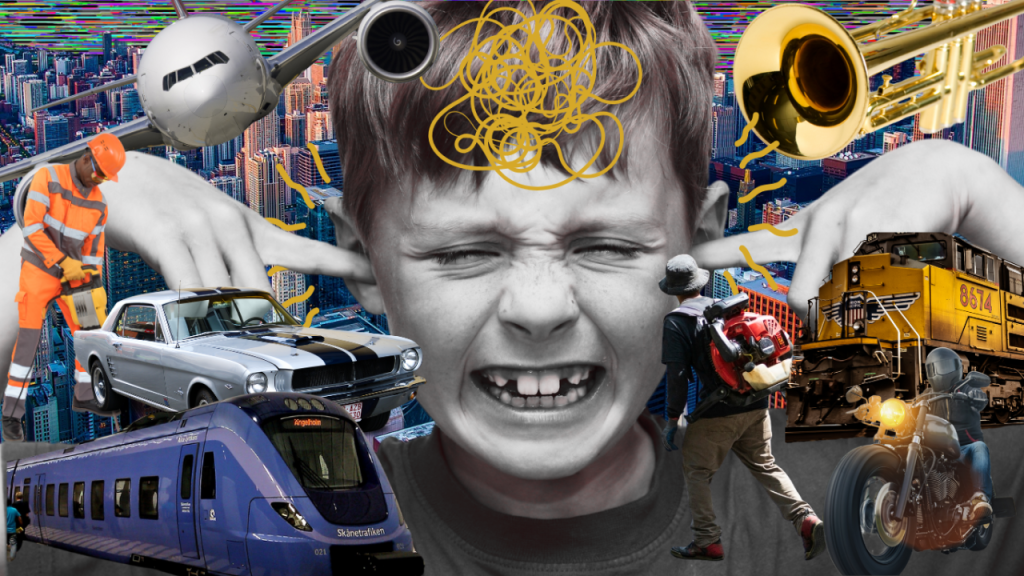
When sounds are so loud that they damage our ears or disturb us, it’s known as Noise pollution.
How it happens
•Honking cars
•Loudspeakers
•Construction work
•Firecrackers
Why it’s bad
•Hurts our ears
•Makes people and animals stressed
•Can even cause sleep problems
Smart move: Celebrate festivals with less noise — lights are prettier than loud firecrackers anyway.
5. Light Pollution — Too Bright at Night
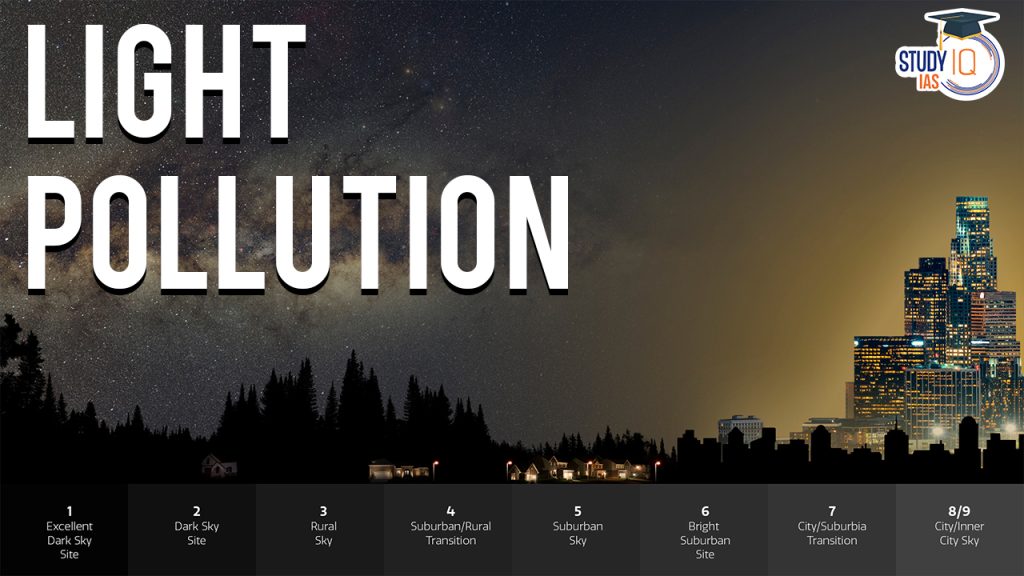
Light pollution happens when there are too many artificial lights shining at night.
How it happens
•Bright street lights
•Flashy buildings
•Too many lights on at night
Why it’s bad
•Animals get confused (especially birds)
•We can’t see stars clearly
•Disturbs sleep
Cool fact: Stargazing is better when there’s less light pollution — so switch off lights when not needed!
Fun Ways to Fight Pollution
•Draw colorful posters about keeping Earth clean
•Join a cleanup drive at school or in your neighborhood
•Make art using recycled materials
•Plant a small tree and name it.
To summarize
Let’s quickly review the different kinds of pollution:
1. Air Pollution — dirty air from smoke and dust
2. Water Pollution — waste in rivers and oceans
3. Land Pollution — garbage and litter on the ground
4. Noise Pollution — too much loud sound
5. Light Pollution — too many lights disturbing the night
Pollution and its types affect not just us, but also animals, plants, and the entire planet. But the good news? We can all help stop it — even kids!
Also Read :- 20 Healthy and Easy Breakfast Recipes for 1-Year-Old Toddlers
How Kids Can Help Reduce Pollution?
Kids can make a BIG difference with small actions!
At Home:
- Turn off lights when not in use
- Avoid using too much plastic
- Use reusable bottles and bags
At School:
- Keep classrooms clean
- Use dustbins properly
- Save paper by writing on both sides
Everyday Habits:
- Plant trees and take care of plants
- Walk or cycle instead of using vehicles
- Do not litter in parks or roads
- Spread awareness among friends
Conclusion
In conclusion, every small action matters. Saying no to one plastic bag, turning off one light, or picking up one wrapper all adds up to a cleaner, happier Earth.
So, the next time you’re asked, “ what is pollution? ” You smile and say, “ let me tell you all about it.”
Why is pollution harmful for kids?
Pollution can cause health problems like breathing issues, allergies, and stress.
What are the main types of pollution?
The main types are air, water, land, noise, and light pollution.
How can we reduce pollution?
We can reduce pollution by recycling, saving energy, and avoiding plastic.
Which pollution is the most dangerous?
Air pollution is considered very dangerous because it directly affects our breathing.







 Twitter