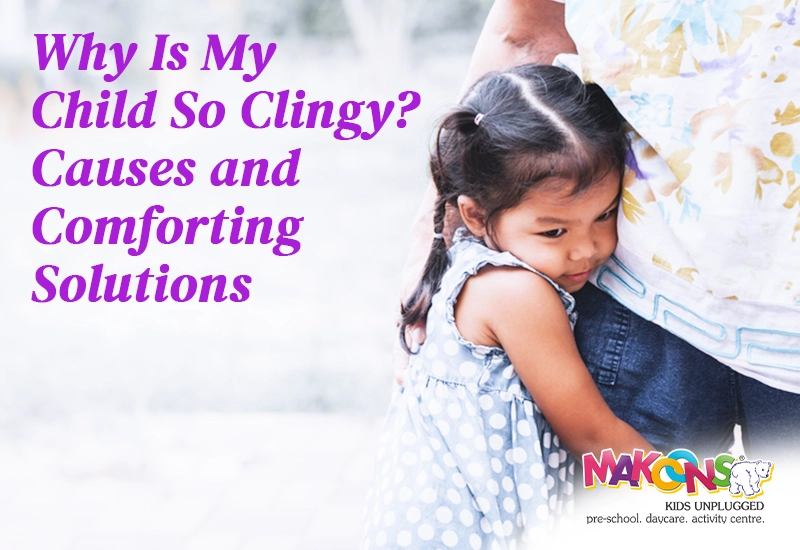
“Why is my child so clingy lately?” is a question you could ask as a parent. When your child follows you from room to room, cries when you leave, or won’t play on their own, they can be very annoying.. However, this phase is more common than you would believe and usually results from reasonable factors like developmental stages or separation anxiety.
This book will go over the causes of clinginess and provide doable parenting advice to enable your youngster and you to feel more confident and safe.
Understanding Clingy Child Behavior
A child who exhibits extreme need for parental presence, comfort, or attention is said to be clinging. It may manifest itself differently:
- Not wanting to be among other carers
- Seeking continual holding
- sobbing as you walk out of the room
- needing assistance with chores they could usually complete on their own.
Although at some times it is a normal aspect of development, parents juggling household chores or employment may find it difficult.
Common Causes of Clingy Behavior
1. Anxiety in Separation
Separation anxiety is among the most well-known factors influencing clinging child behaviour. Most often occurring in children between the ages of eight months and three years, it results from children realising their parents can leave and not yet knowing you will always be back.
Indices of Separation Anxiety:
- crying when a parent walks away
- clinging during preschool or daycare drop-off
- Problems sleeping by yourself
2. Developmental Checkpoints
New developmental leaps might cause uncertainty as youngsters grow and explore the world. Toddlers’ awareness rises and their demand for emotional security also rises when they start to walk or talk.
3. Routineal Changes
Starting daycare, a new sibling, moving houses, or even a parent on travel can set off clinging. Usually found in their main carers, these shifts can cause a child to yearn for consistency and safety.
4. Illness or Tiredness
Children who are sick or overtired sometimes start to grow attached. Their method of finding solace and intimacy during vulnerability is rather unique.
5. Sensitivity to Emotions
Because they are more sensitive, some kids may need more time to get used to new situations or places.. Stronger attachments and more clinginess may follow from this temperament.
When to Be Concerned
Although it’s common in early life, clinging can occasionally indicate more intense emotional turmoil:
- Constant attachment beyond five without any indicators of independence
- Extreme anxiety interfering with social events or education
- Bedwetting, baby talk, and temper tantrums are all signs of relapse, as is being overly attached.
If these things happen, it might help to see a paediatrician or child counsellor.
Comforting Solutions for Clingy Child Behavior
Fortunately, there are several ways to gently inspire independence while nevertheless showing your child sympathy and support for security. These are some useful parenting advice to control clinging child behaviour:
1. Provide Consistent Routines
Routines are good for kids. Routines for meals, going to bed, and daily tasks that don’t change help to reduce anxiety.
- Parenting Tip: To let your youngster know what to expect all through the day, make a basic visual schedule including pictures.
2. Work on quick separations
Your child’s confidence will grow with progressive short separation exposure. Leave the room for a few minutes then come back grinning. Time should be extended while they get more at ease.
- Parenting Tip: Even if it makes them sad, always say goodbye before you go. Sneaking out could make one more insecure.
3. Provide Transitional Comforts Items
When you’re away, a photo of you, blanket, or favourite toy might provide emotional support.
- Parenting Tip: Remind them of your love by including a “kiss on a tissue” or a little note in their lunchbox.
4. Promote Free Play
While yet close by, create solitary performance spaces. Provide open-ended toys such as sets of pretend-play, blocks, or puzzles.
- Parenting Tip: Comment on their efforts by remarking, “You spent ten minutes playing all by yourself! That was really fantastic!
5. Grow Confidence by Making Decisions
Give your child basic options during the day, such as snack or outfit selection. This teaches kids to be strong and independent.
- When your kids do their chores without help, you should praise them. “You got dressed by yourself—good job!”
6. Give them a little Comfort
When your kid clings, tell them they are safe and loved. Stay away from strong reactions because they could make their nervousness worse.
- Use calm, validating words like “It’s okay to miss me.” Parenting Tip I always returned.
7. Control Screen Time
Your child’s capacity to self-soothe and entertain herself may be hampered by too much screen activity. Instead, promote interactive play.
Supporting Yourself as a Parent
Dealing with a clinging child can be rather taxing emotionally. Your personal mental health also needs attention:
- When at least brief pauses are feasible,
- Talk to other parents for encouragement.
- Take care of yourself guilt free.
Recall that often a sign your child sees you as their safe space is clinging behaviour. It’s a great praise, even if it sounds like it wants something.
Also Read : When to Worry: Warning Signs in Newborn Behavior and Appearance
Last Thoughts
Being there regularly is the best way to help, regardless of the issue at hand. It might be a bit of separation anxiety, some changes in growth, mental sensitivity, or maybe something else entirely. Taking the time to understand and be patient with your child will help them grow into a safe and responsible adult. Just a little reminder: Even on tough days, you’re doing wonderfully!.







 Twitter